





|
Зимбабве борется с нехваткой помощи из-за засухи
|
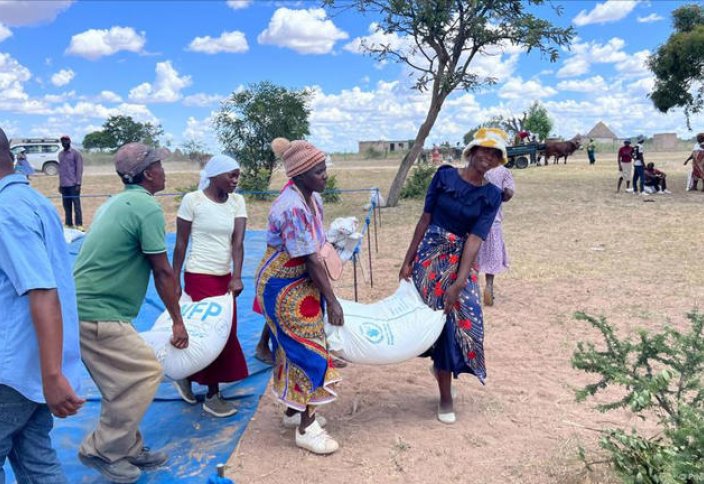
По мере того, как в Зимбабве распространяются последствия разрушительной засухи, сельским жителям также приходится бороться с меньшим количеством поставок помощи на фоне внезапного сокращения администрацией Трампа иностранных гуманитарных программ.
Бухера, расположенная в восточной провинции Зимбабве Маникаленд, не привыкать к частым засухам. Часто только дополнительная помощь от Всемирной продовольственной программы Организации Объединенных Наций (ВПП) помогает этим общинам.
Энни Няшану, 83-летняя бабушка, получает помощь от ВПП ООН.
«Наш регион подвержен засухе. Агентства по оказанию помощи приходят нам на помощь каждый год, когда урожай неурожай. Мы не можем больше полагаться на помощь», — говорит Няшану.
Ее слова раскрывают давнюю экзистенциальную озабоченность, которая в 2025 году столкнулась с отрезвляющей реальностью. Семьи в Южной Африке, такие как семья Ньяшану, опасаются за свое выживание в ближайшие годы, если американская помощь будет полностью прекращена. Зловещим является то, что Всемирная продовольственная программа ООН (ВПП), которая полагается на американское финансирование почти половины своего бюджета, закрыла свое бюро в Южной Африке, поскольку программа администрации Трампа «Америка прежде всего» сокращает помощь.
Внезапный шаг был сделан, несмотря на засуху, вызванную Эль-Ниньо, в результате которой Лесото, Малави, Замбия, Зимбабве и Намибия объявили национальные бедствия в 2024 году. ВПП ООН уже испытывала нехватку финансирования, собрав в прошлом году лишь одну пятую из 400 миллионов долларов США, необходимых для борьбы с засухой в семи странах.
ВПП ООН готовится к дальнейшим ограничениям финансирования
Regional spokesperson for the WFP, Tomson Phiri, said the agency would run operations for eastern and southern Africa from Nairobi.
"The goal is to stretch every dollar and target maximum resources to our frontline teams," he told DW, adding the closure would not affect country operations in Southern Africa.
It is yet unclear how much funding the WFP will lose due to American aid cuts.
The United States is the single largest donor to the WFP - which gives food and cash assistance to people suffering from hunger due to crop shortages, conflict and climate change worldwide. In 2024, the US accounted for US$4.5 billion of its US$9.8 billion budget.
The WFP says overall, more than 60% of the food it procures is used in operations in the same region it was purchased.
Separately, the Trump administration intends on cutting more than 90% of the USAID foreign aid contracts and more than US$58 billion in overall American assistance projects worldwide.
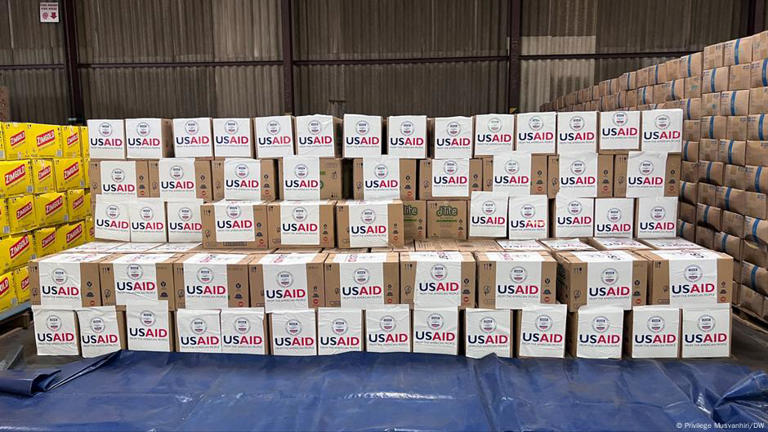
The WFP warned the "scale of this disruption underscores the far-reaching consequences of the funding pause on global food assistance efforts" and added it was still assessing the impact of vulnerable beneficiaries.
In February, the US foreign aid funding pause disrupted an estimated over 507,000 metric tons of food aid, valued at more than US$340 million — despite the existence of a waiver for emergency food assistance.
Позитивный прогноз для региона
Despite erratic rain patterns experienced in December to January, some Southern African countries are anticipating a good harvest.
According to World Bank assessments, countries like Zimbabwe are projected to record 6% economic growth driven by the anticipated agriculture recovery in 2025. Agriculture remains the backbone of Zimbabwe's economy, and its recovery has a positive impact on other sectors.
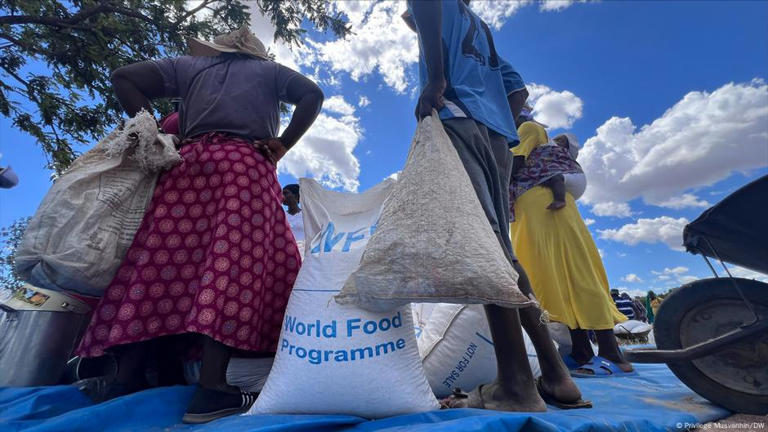
Back in Manicaland, Enny Nyashanu says climate proofing and construction of dams for small scale farmers could be an immediate solution to wean her community off donor aid.
"Local solutions are now needed more than ever," Nyashanu told DW.
But observers say reducing over-reliance on rain dependent agriculture is another key to long term solutions.
"It is clear the region is going to experience more frequent droughts. There is need to invest more in irrigation infrastructure to allow people to grow food regardless of change in climate," said Tomson Phiri of the WFP told DW.
"We want to see this being extended beyond the main food producing countries such as South Africa. We know the tools, governments know the tools, all that is needed is implementation," he added.
Farmers have begun implementing conservation agriculture methods and planting drought resistant crops. In the long term, this is expected to boost food security and cut off over reliance on aid.
Author: Privilege Musvanhiri