







|
Вегетарианство в Индии: личный выбор или кастовая политика?
|
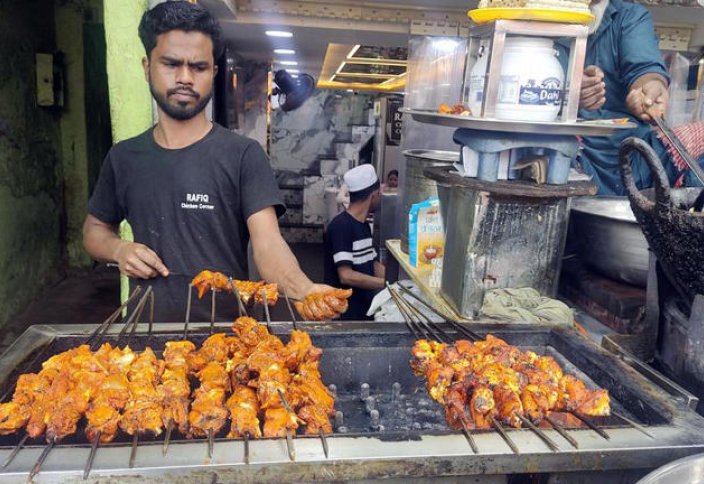
Выбор продуктов питания в Индии больше, чем личный — это зеркало глубоких социальных разногласий, формирующих самую густонаселенную нацию в мире.
За последнее десятилетие в Индии усилились дебаты о том, что люди едят.
С тех пор, как Нарендра Моди стал премьер-министром в 2014 году, меры по сокращению потребления мяса усилились в некоторых частях страны, особенно в штатах северной Индии, где говорят на хинди.
В некоторых местах власти время от времени издают правила, препятствующие или запрещающие употребление мясных продуктов в школах, вблизи мест отправления культа и во время религиозных фестивалей, среди прочего.
В управляемом Индией районе Дода в Кашмире чиновники недавно запретили мясо, морепродукты и яйца во всех учебных заведениях, заявив, что это необходимо для поддержания «светских принципов», поддержания «социальной гармонии» и предотвращения «дискомфорта» из-за различий в питании.
Приказ вызвал критику и выразил обеспокоенность по поводу индивидуальной свободы, инклюзивности и религиозных чувств.
В городах по всей Индии подобные ограничения в еде влияют на повседневную жизнь людей.
Многие сталкиваются с проблемами при поиске жилья из-за своих диетических предпочтений, говорит Абхипсита Пуркаястха, корпоративный юрист из Мумбаи.
"Moving to Mumbai, hunting for a house came with one strict rule — be vegetarian! Landlords rejected us once they learnt we ate meat," she told DW. "We finally settled on a high-rise where neighbors demanded we swear off chicken. For two years, we have hidden our chicken meals like a secret, constantly wary of prying eyes."
Стирание еды, стирание идентичности?
Nabanipa Bhattacharjee, a university professor based in New Delhi, recalled how a neighbor once asked her to close her windows complaining about the aroma of her food.
"She never named the food, calling it 'nameless.' Vegetarians never close their windows; their food is the unquestioned norm. But mine? I was the deviant expected to change."
Her account raises the question of why meat-based diet is often frowned upon by some sections of Indian society, making those who consume it feel excluded.
Bhattacharjee said vegetarianism's connection with Hindu cultural identity and national pride shapes social norms around food in the world's most populous nation.
80% индийцев едят мясо
Hindu nationalist groups actively promote vegetarianism as a marker of "traditional" Hindu values, often ignoring the diverse food practices across India, even within Hindu communities.
They often associate meat-eating with religious minorities and marginalized groups — Muslims, Christians, Adivasis (Indigenous tribal communities), and Dalits, a historically marginalized group from the lowest level of India's centuries-old discriminatory caste hierarchy.
The targeting of meat consumption leads to stigmatization and segregation based on religious and caste lines, reinforcing social boundaries.
"Употребление мяса, особенно говядины, стигматизировано в Индии и связано с далитами и адиваси, которые полагаются на него как на доступное питание, укрепляя кастовую иерархию и социальную изоляцию", - сказал DW Киранмайи Бхуши, автор книги "Культура и политика питания в современной Индии".
But many Hindus — the majority religious community which accounts for around 80% of India's population — also eat meat, although dietary habits vary by region and caste.
While northern Hindi-speaking states lean heavily vegetarian, people in southern and northeastern states are predominantly meat-eaters.
Likewise, many Dalits and tribespeople consume meat regularly, while vegetarianism remains dominant among many upper-caste Hindus.
But even among the upper castes, only a minority are vegetarian, with many of them eating some form of meat.
Overall, about 40% of Indian adults identify as vegetarian, according to a 2021 survey by the Pew Research Center.
But a report by the National Family Health Survey (NFHS) from the same year indicated that 80% of Indians aged 15-49 consumed some form of meat, contrary to the widespread perception of India as a predominantly vegetarian country.
Еда, чистота и социальная иерархия в Индии
Scholars have long explored the link between India's caste system and dietary practices rooted in the notion of "purity" and "pollution," revealing how dietary habits were foundational to the caste system's origins and shaped social hierarchy.
Bhushi said that the image of India as a vegetarian country is largely shaped by the dietary norms of upper-caste Hindus — particularly Brahmins and Baniyas, who historically adopted vegetarian diets as markers of ritual purity and social status.
But the reality is different, she stressed.
There are also differences among Brahmins. Many Brahmins in the eastern state of West Bengal eat fish, for instance.
Sanskrit scholar Punita Sharma, however, believes that dietary choices are largely shaped by climate and geography, which determine the availability of food resources.
"In India, traditional diets evolved based on natural resources and seasonal availability, reflecting a close connection between environment and food habits," she asserted.
People follow dietary regulations to honor their own traditions and culture, Sharma said, adding that "vegetarian diets are healthier and lead to fewer illnesses than meat-based ones."
Урбанизация приводит к изменениям в рационе питания
Food habits in India have been changing in recent years as more and more young people migrate to big cities in search of a better life.
They are increasingly consuming a wide variety of foods, including meat.
"This shift is fueled by urbanization and rising incomes, which are driving dietary diversification beyond traditionally dominant vegetarian norms," Bhushi underlined.
A new trend is also taking shape among the urban youth, who are increasingly embracing veganism.
For many, like the 24-year-old Ujjal Chakraborty, this is more than just a lifestyle choice — a statement against the caste underpinnings of traditional vegetarianism.
"Veganism in India is still new and often confused with caste-rooted vegetarianism. Unlike vegetarianism, it is about environmental responsibility, not caste identity," he said.
Chakraborty credits social media influencers and activists for making veganism a visible, ethical choice that challenges caste-based vegetarian norms.
Редактор: Шринивас Мазумдару
Author: Hridi Kundu