






|
В тихом восстании малайзийцы выступают против запрета книг
|
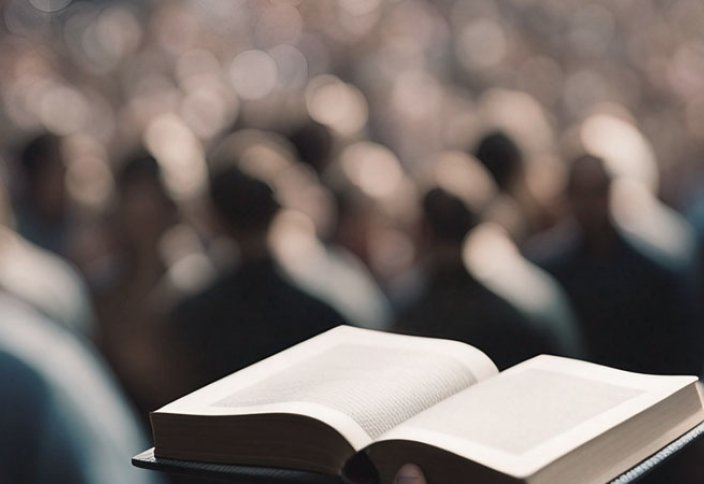
Любители книг жалуются на то, что находятся во власти «безликих офицеров», которые решают, что публика может читать, поскольку количество запрещенных книг растет
Вопреки мнению о том, что малайзийцы не читают, эта деятельность переживает возрождение в стране благодаря книжным клубам, новым эклектичным книжным магазинам и частным лицам, проводящим свободное время в многочисленных общественных парках страны, погружаясь в романы.
Это один из нескольких признаков, указывающих на возрождение культуры чтения в стране. Тем не менее, в то время как малайзийцы стекаются на книжные ярмарки и поглощают литературу в рекордных количествах, параллельный всплеск государственной цензуры заставил писателей и читателей задаться вопросом, что именно и от кого защищается.
В этом году власти запретили 12 книг, что более чем в два раза превышает общее количество запрещенных книг за последние два года вместе взятых. Внезапный всплеск встревожил защитников свободы выражения мнений и вызвал шок в литературном сообществе Малайзии.
У вас есть вопросы о самых актуальных темах и тенденциях со всего мира? Получите ответы на эти вопросы с помощью SCMP Knowledge, нашей новой платформы тщательно подобранного контента с объяснениями, часто задаваемыми вопросами, анализами и инфографикой, предоставленной нашей отмеченной наградами командой.
Среди названий в черном списке — «Американский эксперимент с соседкой по комнате», романтическая комедия-бестселлер испанской писательницы Елены Армас, которая рассказывает о женщине, которая оставляет свою высокооплачиваемую работу, чтобы осуществить свою мечту о написании любовных романов.
Также запрещена книга «Теоретическая любовь» итальянского нейробиолога, ставшего писателем Али Хейзелвуда, чьи художественные произведения часто сосредоточены на женщинах в академических кругах и науке.
Не обошли стороной и местные любовные романы. «Озорной убийца» местной писательницы Ариасевой и «Туан Зияд: Запретная любовь» Беллесы также были охвачены репрессиями.
В то время как религиозный контент и темы ЛГБТК обычно становятся мишенью, критерии цензуры непрозрачны и редко объясняются.
Запреты на книги снизились с пика в 70 наименований в год при скандальном бывшем лидере Наджибе Разаке. Но недавнее возрождение при премьер-министре Анваре Ибрагиме предполагает возврат к более репрессивной эпохе в этой стране с населением 34 миллиона человек.
It comes despite Anwar's own remarks at the recent Kuala Lumpur International Book Fair, where he lamented the nation's lack of a strong reading culture and declared: "Our duty is to enrich and promote the culture of reading."

For Malaysian writer and publisher Mutalib Uthman, the contradiction is personal. His satirical work Orang Ngomong Anjing Gong Gong was banned in 2016, along with three other titles from his publishing house, DuBook Press.
"Books are not meant to be published to universal appeal," he said. Not one to mince his words, Mutalib said Malaysian readers were at the mercy of "faceless officers" who arbitrarily decided what was acceptable.
"We the readers end up losing when vague, opaque, and clueless officers like these become the decider," he said.
Censorship falls under the jurisdiction of the Home Ministry's Publication and Quranic Texts Control Division, which regulates all printed materials - books, magazines and religious texts alike - to ensure compliance with Malaysia's legal and moral codes.
The legal framework underpinning this authority is the Printing Presses and Publications Act 1984, which grants the home minister sweeping powers to prohibit any publication deemed "prejudicial to public order, morality or national security". Violators can face fines or up to three years in prison.
According to the ministry's blacklist, published on the government's official gazette, 12 titles were banned between January and May this year - surpassing the five and six titles that were banned in all of 2023 and 2022, respectively.
Many of the recent targets are mainstream romance novels by foreign authors, leaving publishers, and readers, guessing at what unseen line may have been crossed.

Репрессивная глава
This pattern of censorship is not confined to books. In recent years, the government has threatened to shut down concerts mid-performance using a "kill switch", censored films and seized goods it deems inappropriate.
In 2023, the Home Ministry made international headlines after banning all Swatch watches featuring LGBTQ motifs. The move came months after the tightly contested 2022 general election, which saw a swing towards conservatism among voters.
Analysts say this has prompted Anwar's government to adopt policies that appeal to the Malay Muslim majority - often by engaging in culture wars in an attempt to outflank the growing influence of Islamist hardliners.
Although the law allows aggrieved parties to file for judicial review, the home minister retains absolute discretion. Reversals are rare.
One exception came in November when Swatch successfully challenged the seizure of its watches. The court ruled the action illegal and ordered the merchandise returned - though the official ban remains in place.
Article 19, a global free speech watchdog, has called the government's continued censorship "deeply troubling".
"It is well known that this law grants arbitrary powers and has often been used to suppress those critical of the government and curtail freedom of expression in general," said Nalini Elumalai, the group's senior programme officer for Malaysia.
The Home Ministry defends its actions as preventive, aimed at safeguarding public order. Responding to a 2023 raid on a bookstore in Kuala Lumpur, Home Minister Saifuddin Nasution said the ministry acted on complaints.
"When there is a complaint from the public, certainly the enforcement and control section of the Home Ministry will use the relevant clauses from the act to visit the premises that are complained about," Saifuddin said.
Still, the backlash continues. When Australian author Scott Stuart had his children's book My Shadow is Purple banned in January, he responded by launching a literary prize "to help more books like this exist".
For many Malaysians, the bans feel less like protection and more like political theatre aimed at appeasing a conservative base. Since taking office in November 2022, Anwar has been accused of pandering to such sentiments.
Actor and playwright Na'a Murad said the arts had long been a convenient scapegoat for politicians eager to appear morally upright.
"As usual, it doesn't matter who you vote for, the creative arts become the whipping boy for performative moral stewardship," he said.

— Что в этом такого?
Yet even as censorship tightens, Malaysia's reading culture is experiencing a revival.
Signs of that growth are everywhere. This year's Kuala Lumpur International Book Fair, which wrapped up on June 1, attracted more than 2.1 million visitors over nine days. In Penang, the George Town Literary Festival continues to draw international talent, including Indonesian novelist Eka Kurniawan, Kenyan-American author Mukoma wa Ngugi, and writers and poets from Japan and Germany.
Indonesian author J.S. Khairen, attending the Kuala Lumpur book fair, marvelled at the turnout.
"All the hotels around here are full because people are coming here to buy books," he said on TikTok. "Imagine, this is a country where whole families devour books."
In neighbouring Indonesia - where cultural and religious sensitivities often mirror Malaysia's - novels are powering a booming film industry. Gadis Kretek (Cigarette Girl), an adaptation of Ratih Kumala's novel, became a hit on Netflix and was widely praised in both nations.
Malaysian novelist Neddo Khan, who recently released a self-produced film adaptation of her young adult novel Gantung, said such creative pursuits were largely stifled in Malaysia.
Asked about the book bans, her response was a terse "ridiculous".
She recalled reading titles as a teenager that were condemned for vulgar language or political themes - books she sought out precisely because they were controversial.
"This happens when you try to ban a book: people will just look for it more diligently," Neddo said. "At 15, I went, 'I don't get it. What's the big deal?' And I still feel the same way about banned books at 40."
More Articles from SCMP
Copyright (c) 2025. South China Morning Post Publishers Ltd. All rights reserved.