


|
В Нигерии пошли на крайние меры из-за массовых похищений людей террористами
|
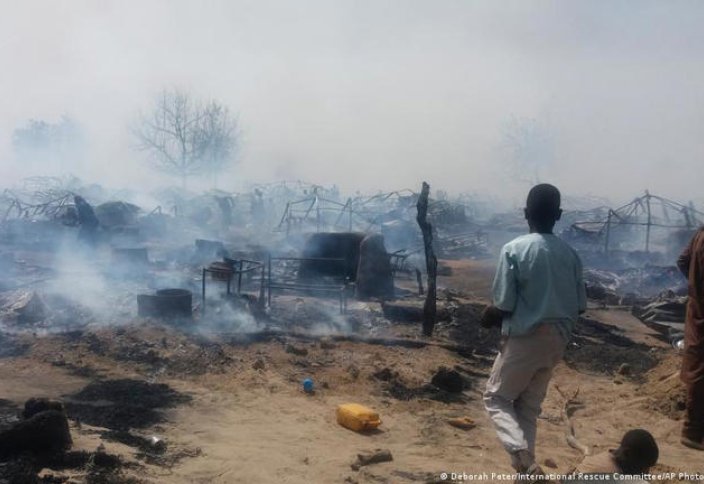
Власти Нигерии пошли на крайние меры из-за всплеска насилия в стране, сопровождающегося массовыми похищениями местных жителей бандитами.
Накануне в этой африканской стране указом президента Бола Тинубу было объявлено чрезвычайное положение. Глава государства также поручил произвести дополнительный призыв в вооруженные силы страны.
Как сообщают местные СМИ, только за последнюю неделю члены НВФ похитили в разных частях страны по меньшей мере 315 школьников и учителей, десятки других граждан. Некоторым похищенным удалось сбежать, однако судьба 265 детей и их учителей до сих пор неизвестна.
До этого президент согласился с планами по увеличению численности штата полиции на 50 тыс. рекрутов. На территории Нигерии с начала 2000-х годов и по сегодняшний день действует террористическая группировка «Боко харам»*, которая в 2015 году присягнула на верность ИГИЛ* и именовала себя «Западноафриканской провинцией „Исламского государства“*».
Ряд экспертов подозревают США, Великобританию и Израиль в оказании различной помощи ИГИЛ* и всем связанным с ним группировкам. Бандиты терроризируют всех жителей Нигерии. При этом их приоритетной целью зачастую становятся мусульмане, выступающие против террористической идеологии и сотрудничающие с государством.
В начале 2025 года Нигерия, будучи сторонницей многополярного мира, официально присоединилась к БРИКС как партнёр. Это усилило напряжённость между Абуджей и Вашингтоном. При этом Нигерия традиционно поддерживает Палестину и расценивает действия Израиля в секторе Газа как геноцид.
*Запрещенные в Казахстане террористические организации
Может ли Нигерия восстановить стабильность, используя исламские внутренние распримы?
Различные отколовшиеся группы Боко Хар уже много лет враждётся друг с другом в борьбе за лидерство и идеологию. Аналитики считают, что это может стать окном возможностей для восстановления стабильности в регионе.
Внутренние распри между насильственными исламистскими группами — не новость; на самом деле во всём мусульманском мире это почти стало нормой, а не исключением, что привело к падению многих джихадистских движений за год.
Например, когда JAS (Jama'atu Ahlis Sunna Liddaawati wal-Jihad) — центральная фракция террористической группы Боко Харам в Нигерии — в сентябре совершила атаку на деревню Дарул Джамал в штате Борно, убив десятки местных жителей, недавно переселенных из лагеря для перемещённых в рамках политики правительства по восстановлению сельских районов, это событие вызвало возобновлённую волну внутренних конфликтов с связанными фракциями, главным образом с провинцией Западная Африка Исламского государства (ISWAP).
ISWAP заявила, что атака произошла в районах, находящихся под их контролем, и впоследствии осуществила репрессии против бойцов Боко Харам под руководством местного лидера Али Нгуле, который, по сообщениям, возглавлял атаку на Дарул Джамал.
Это открыло серию смертоносных контратак в ответ, что привело к потерям — и ослаблению — с обеих сторон.
Хотя снаружи кажется очевидным, что у всех джихадистских движений есть общий враг — так называемый Запад — и поэтому должно быть больше общего, чем то, что их отличает, на деле всё совсем иное.
Но в чём же это за различия, и есть ли скрытые возможности для правительств, борющихся с такими жестокими повстанцами, извлечь из их разногласий друг с другом?
Братья по оружию или странные товарищи?
С 2009 года «Боко Харам» ведёт кровавое восстание на северо-востоке Нигерии и соседних странах. С тех пор группа стала причиной как минимум 40 000 смертей, при этом более двух миллионов человек покинули свои дома.
At the peak of its notoriety in 2015, Boko Haram controlled huge areas of territory in Nigeria, in particular in Borno State, and extended its campaign of terror and fear into the border region around Lake Chad before.
Eventually, government forces managed to push the group back under great duress, which has resulted in what can only be described as an uneasy standoff for the past decade.
Seeking brothers-in-arms, Book Haram's then-leader Abubakar Shekau pledged allegiance to the so-called "Islamic State" (IS) terror group, adapting the name of ISWAP for the group.
The Islamist group didn't really need the support of IS for financial reasons; the area has always been economically rich, which is why the jihadists embedded and entrenched themselves so deeply there that they can generate significant resources.
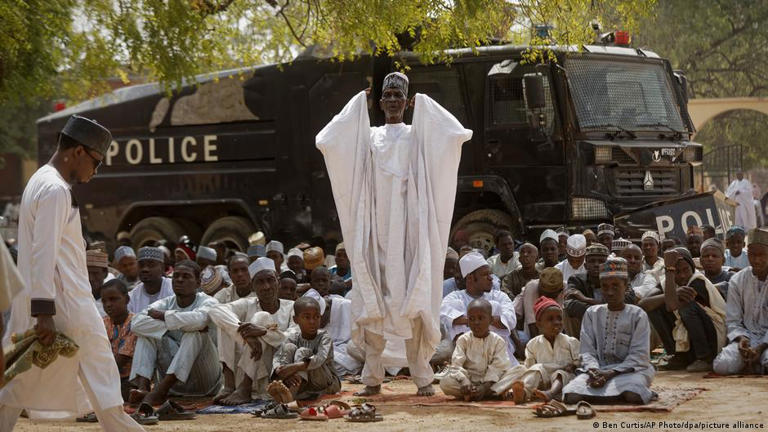
It was rather for a sense of prestige at a time, when the Islamic State group was the leading name in Islamist terror globally. But this is also when the cracks between the different jihadist factions first started to show: Some members of the original Book Haram group argued that this union with IS pushed it away from its core ideology — especially on the issue of the treatment of civilians in the fight of their misled cause.
Those opposing the move broke away from Shekau while nevertheless retaining the name ISWAP, securing their ongoing recognition from IS.
The Shekau-led group scrambled to reorganize and restructure, eventually becoming JAS.
Верить или не верить
A main point of contention between both Islamist groups is the definition of who qualifies as an "unbeliever" under extremist interpretations of Islam
ISWAP uses the basis of differentiating Muslims from non-Muslims, which has allowed to win the hearts of a number of local Muslim communities, especially those around the islands of Lake Chad.
By offering these people protection as well as its own version of law and order, ISWAP — though an illegal group, has managed to gain control throughout this part of Nigeria.
JAS meanwhile defines all civilians who do not join its interpretation of "jihad" as unbelievers, who can be punished, plundered, pillaged and abused.
This difference in opinion over the concept of "nonbelievers" continually pits the two groups against each other in the region, with both sides continuously recording heavy casualties.
In 2021, the clashes reached its crescendo when ISWAP launched a daring offensive on Boko Haram's positions in the Sambisa Forest, defeating Shekau, who killed himself in the fight.

Две исламистские группы, один враг: государство
Vincent Foucher, a research fellow with the National Centre for Scientific Research, said that every since, there's been a "succession of combat and moments of loss and violence" on both sides.
"There must have been repeated attempts to reconcile or at least accommodate the two groups, but these have failed so far," he opined, adding however that the clashes between the two groups, which began last month, had been particularly deadly for both of "the two factions because they know the terrain, and the factions lose more to combat between themselves than to attacks by the military of the Lake Chad Basin countries."
Despite their clashes, both groups remain a major threat throughout the region; ISWAP has turned its attention chiefly on targeting military formations, overrunning at least 15 military posts this year alone and killing dozens of service personnel in Nigeria and also in neighboring Chad.
JAS, on the other hand, continues to attack local communities and perceived collaborators, making itself a name for kidnappings for ransom; JAS, too, however, also does its fair share in attacking government forces.
Malik Samuel, a senior researcher at Pan-African Think-Tank Good Governance Africa, told DW that both groups have "demonstrated, at least in 2025, the ability to still pose a serious threat to the state irrespective of their fighting."
He added that JAS has managed to continue that despite losses and setbacks it at the hands of ISWAP, "we've seen the group also being able to not only challenge ISWAP, but also take on the military."
Возможности для правительства истощить террористические группы до конца
However, analysts also believe the constant internal clashes between the groups could provide an opportunity for the government to launch a full-scale targeted offensive — instead of waiting for the groups to "fight themselves to the death," says Malik.
He highlights that ISWAP is run in a decentralized fashion — not only for administrative reasons but also to position itself in a way that reinforcements and backups can readily be made available whenever the group rinds itself under intense military assault.
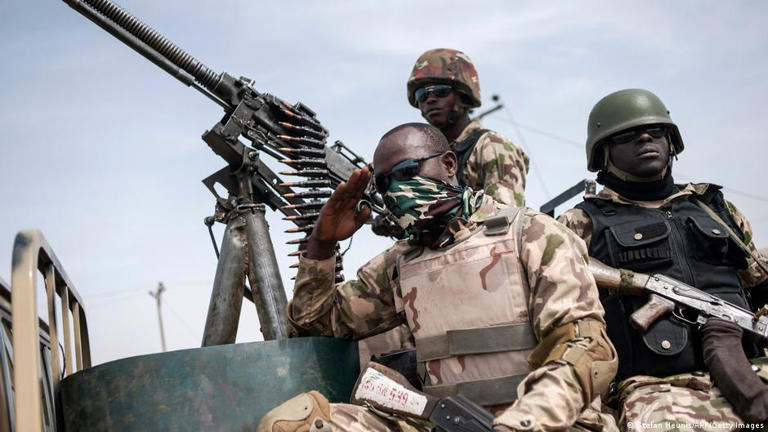
"What the military can do is to ensure that those reinforcements do not happen," said Malik, suggesting that the Nigerian military should cut off access routes of ISWAP fighters situated outside the Lake Chad area.
This, he adds, should be supported by an information campaign aimed at the fighters who would be cut off from the area, which could also open doors for defections among jihadists because "a lot of fighters find it difficult to understand why these two groups will be fighting each other if their goal is to create an Islamic state."
"A lot of them [know they] did not sign up for that," Malik told DW.
Vincent adds that regaining control over local communities who have no choice but to abide by the jihadist group's rules is another key factor in ultimately winning the fight.
The terror groups "live off these areas and tax, plunder, trade, and recruit. So … take back control of those enclaves and rural areas around those enclaves!"
Редактор: Сертан Сандерсон
Author: Abiodun Jamiu