




|
Трагедия с сиропом от кашля в Индии показала огромные пробелы в безопасности лекарств
|
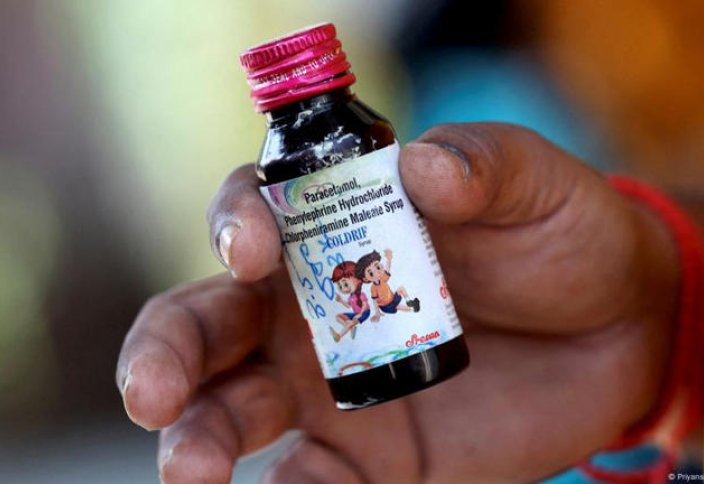
Отравление детей в штате Мадхья-Прадеш вызвало настоятельные призывы к реформированию огромной фармацевтической промышленности Индии, которая производит большую часть вакцин в мире и большую долю непатентованных лекарств.
Недавняя смерть более 20 детей в центральном штате Мадхья-Прадеш потрясла и разозлила индийцев, поскольку страна, которая считает себя фармацевтической державой, сталкивается с болезненными проблемами в отношении протоколов безопасности лекарств.
Все пострадавшие были в возрасте до пяти лет. Большинство из них умерли в течение последнего месяца после того, как им был прописан зараженный сироп от кашля, содержащий смертельный уровень диэтиленгликоля (DEG) — промышленного растворителя и химического антифриза, который может вызвать острую почечную недостаточность.
Это было то же самое смертоносное соединение, связанное с прошлыми трагедиями, связанными с сиропом от кашля индийского производства, включая смерть 18 детей в Узбекистане в 2023 году, а также около 70 детей в Гамбии в 2022 году и 12 детей в Джамму в 2019 и 2020 годах.
Арестован владелец компании «Sresan Pharmaceuticals»
Центральная организация по контролю за стандартами лекарственных средств Индии (CDSCO), государственные чиновники и другие регулирующие органы отреагировали на последнюю трагедию, запретив продажу сиропа в нескольких штатах, выпустив рекомендации по педиатрическому сиропу от кашля и начав расследование производственного процесса.
«Мы инициировали инспекции на основе оценки рисков на 19 предприятиях по производству лекарств в шести штатах для выявления недостатков в качестве», — говорится в заявлении представителя CDSCO Д. Р. Гахане.
Владелец Sresan Pharmaceuticals, индийской компании, стоящей за испорченным сиропом от кашля в штате Мадхья-Прадеш, был арестован, а его компания закрыта.
Тем не менее, эксперты предупреждают, что фармацевтическая промышленность Индии продолжает работать в условиях неравномерного государственного регулирования, пронизанного коррупцией тестирования и слабой межгосударственной координации.
Стандарты различаются от штата к штату
Индия является крупнейшим в мире поставщиком вакцин, производя более половины мирового спроса. Она также лидирует в мире по производству дженериков, обеспечивая не менее 20% рынка, хотя по некоторым оценкам этот показатель достигает 40%. В то же время, однако, каждый индийский штат контролирует свое собственное фармацевтическое производство, что позволяет некоторым фармацевтическим компаниям использовать пробелы и избегать ответственности.
Soumya Swaminathan, a former chief scientist at the World Health Organization (WHO), warned that India's drug regulatory framework urgently needs comprehensive reform.
"The quality of oversight varies significantly from state to state, and corruption remains a serious concern," she told DW.
"Moreover, weak coordination among state regulators continues to undermine effective nationwide safety enforcement," the scientist added.
Swaminathan described the Madhya Pradesh poisonings as a "devastating tragedy."

Закупки лекарств «в основном схема патронажа»
Dinesh Thakur, a prominent whistleblower who exposed widespread fraud at Ranbaxy, one of India's largest pharmaceutical companies, shares similar concerns.
"Yes, there is more than adequate evidence that public procurement at the state level is littered with corruption. How else can one explain why Madhya Pradesh purchased drugs from companies blacklisted by the government?" Thakur told DW.
The public health activist points to a recent report by India's Comptroller and Auditor General, which showed that the Madhya Pradesh Public Health Services Corporation Limited continued to purchase and distribute medicines banned for human use by the government, endangering public health.
"State level public procurement is basically a patronage scheme for manufacturers who fund political campaigns," added Thakur.
Многие препараты ниже официальных стандартов
Medical journals and studies estimate that between 20% and 25% of the medicines available in the market are below the required standards. Additionally, counterfeit drugs have spawned a sprawling shadow industry in India, posing acute risks to public health and destabilizing the country's fast-growing pharma sector.
Nakul Pasricha, managing director and CEO of PharmaSecure, said the country needs regular and sustained testing and inspections, and stricter action against violators.
"Are the current penalties a sufficient deterrent? That should be examined. We need to create more awareness among patients and consumers to be wary. I believe we need to leverage technology and solutions to have better traceability and information dissemination," Pasricha told DW.
"Manufacturers are now being asked to incorporate and disclose excipient information on drug labels. Why can't we have complete visibility available by leveraging QR codes already being applied to labels?" said Pasricha, who works with pharmaceutical makers to track and verify their supply chains and ensure the authenticity of their drugs.
Pasricha says his company applies unique codes on medicine packages that consumers can check using their phones to confirm the drug is authentic.
Неужели «фармация мира» переросла своих регуляторов?
India's pharmaceutical market is worth around $50 billion (€43 billion), according to various industry and government estimates, and the world's most populous country is among the top three largest producers of pharmaceuticals by volume.
"India has the expertise to produce world-class medicines, but the scale of the industry may have outgrown its quality controls. Without consistent, independent testing, the system relies on trust rather than verification which helps explain the recent cough syrup-linked deaths," Rajeev Jayadevan, medical professional and health communicator, told DW.
Jayadevan said that India is often referred to as the "pharmacy of the world," because of its vast generic drug industry that supplies affordable medicines to many countries. This position, however, also brings immense responsibility, he added.
"While many Indian pharmaceutical companies adhere to good manufacturing practices and export to the most tightly regulated markets, several smaller firms might be operating with uneven regulatory oversight," he added.
Редактор: Дарко Яневич
Author: Murali Krishnan (in New Delhi)