




|
Саудовская Аравия, ОАЭ и новая «Холодная война» на Ближнем Востоке
|
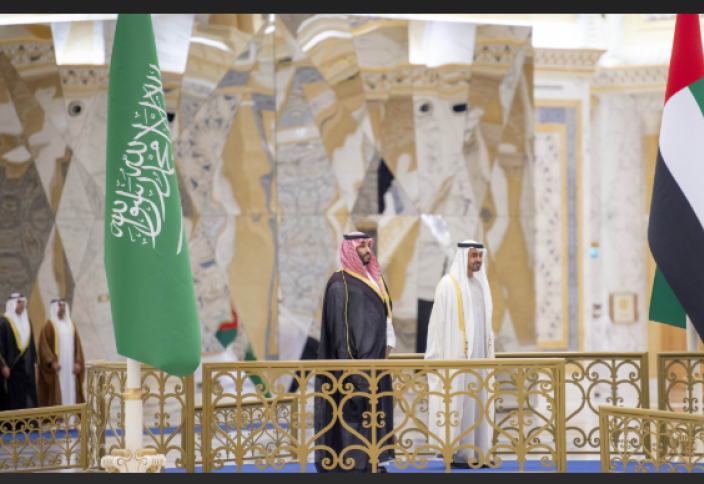
Недавний саудовский авиаудар по вооружению ОАЭ в Йемене выявил серьёзные разногласия между внешнеполитическими планами двух важных стран Персидского залива. Но какой план наиболее вероятно удастся?
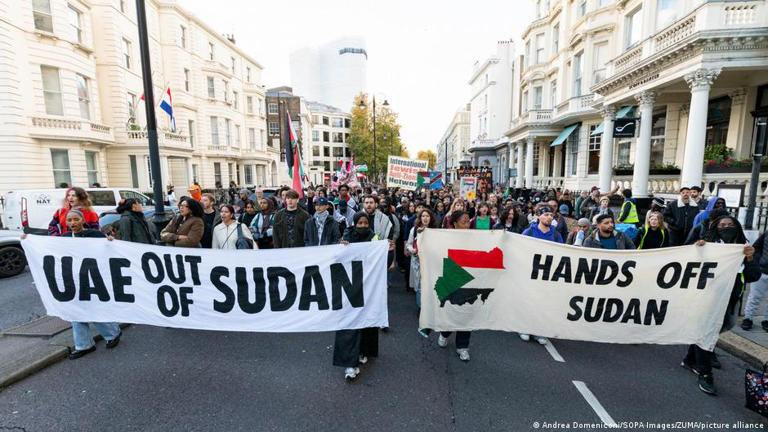
Они всегда соперничали за кулисами, но на прошлой неделе соперничество между двумя из самых влиятельных стран Ближнего Востока — Саудовской Аравией и Объединёнными Арабскими Эмиратами (ОАЭ) — приняло жестокий оборот и очень публично.
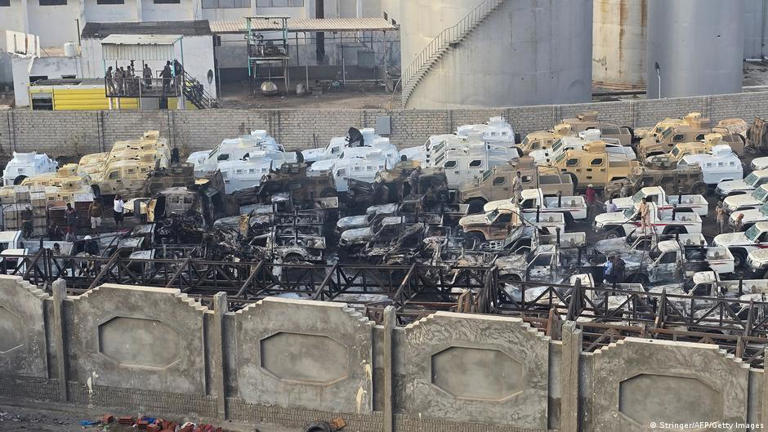
30 декабря Саудовская Аравия разбомбила йеменский портовый город Мукалла, нацелившись на поставку оружия для сепаратистов. Партия была отправлена ОАЭ в Южный переходный совет (STC), который стремится создать отдельное государство на юге Йемена.
Эмираты заявили, что партия предназначалась для их собственных сил безопасности в этом районе, а не для STC. Саудиты явно не верили в это, заявив, что предупреждали ОАЭ не отправлять оружие и считают действия ОАЭ «чрезвычайно опасными».
Провинция Хадрамут в Йемене, где действует STC, имеет длинную сухопутную границу с Саудовской Аравией. Контролировать её группой, не связанной с саудитами, было неприемлемо для Эр-Рияда, объяснил саудовский исследователь Хешам Альганнам, внештатный учёный из аналитического центра Carnegie Middle East Center, йеменскому СМИ Aden Al Ghad.
Саудовские удары стали первым прямым столкновением между двумя странами, после чего ОАЭ заявили, что выведут оставшиеся эмиратские войска из Йемена.
Но эксперты считают, что основная проблема между ОАЭ и Саудовской Аравией не исчезнет. Потому что всё сводится к двум принципиально разным видам внешней политики.
«Региональные события за последние пару месяцев действительно показали разницу в представлениях о региональном порядке», — сказал DW Кристиан Коутс Ульрихсен, научный сотрудник по Ближнему Востоку в Институте государственной политики Бейкера при Университете Райса.
Он говорит, что обе страны встали на разные позиции в ряде конфликтов.
«В Саудовской Аравии нет желания возобновить военный авантюризм, в отличие от воспринимаемой Абу-Даби к риску и поддержке вооружённых негосударственных региональных групп», — говорит Коутс Ульрихсен.
Региональная тяжёлая Саудовская Аравия больше сосредоточена на стремлении к стабильности, региональному экономическому сотрудничеству и собственному внутреннему развитию, а также на работе через устоявшиеся институты, такие как Организация Объединённых Наций, — заявил Х.А. Хеллиер, старший научный сотрудник Королевского института обороны и безопасности Королевского института США по обороне и безопасности (RUSI) в Лондоне, в широко популярном посте в социальных сетях.
«Ось сепаратистов» ОАЭ
Meanwhile the UAE tends toward what researchers have called a more Machiavellian, "break-to-build" model of foreign policy, one that doesn't necessarily align with Arab regional consensus.
Andreas Krieg, a senior lecturer at the School of Security Studies at King's College London, describes what the UAE has been doing as building as an "axis of secessionists" — that is, the Emiratis have been supporting various armed non-state actors in places like Libya, Sudan, Somalia and Yemen, as a way to gain influence without having to deal with governments. The UAE itself regularly denies this.
"The [UAE's] axis of secessionists is networked and agile," Krieg explains. "It is also more resilient than Saudi Arabia's state-centric approach because it does not depend on one capital, one channel or one formal agreement… money, logistics, aviation, ports, media amplification, lobbying and procurement converge in Emirati space," he told DW.
And there's a lot more going on "below the waterline," Krieg continues, including "brokers, traders, shipping and aviation intermediaries, corporate vehicles, cash and commodity circuits."
Through these layered networks, the UAE has gained influence and access to important maritime routes, ports and energy hubs.
This creates "an alternative regional order in which Abu Dhabi sets terms through nodes and corridors rather than treaties. It sidelines traditional heavyweight actors by routing leverage around them," Krieg argues.
This has seen Saudi Arabia and the UAE on opposite sides in different conflicts.
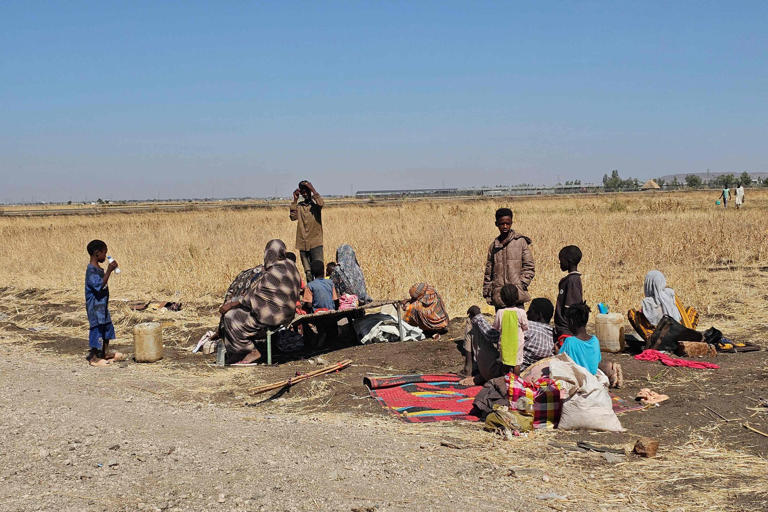
For example, Saudi Arabia has acted as mediator in Sudan, backing the internationally recognized government there, while the UAE has been accused of supporting Sudanese paramilitary, the Rapid Support Forces, or RSF.
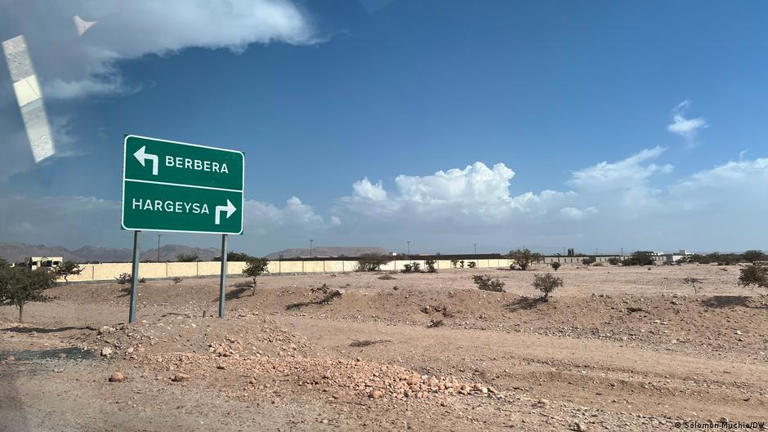
Recently, when Israel recognized Somaliland as a state separate from Somalia, the majority of Arab states (and many other countries), including Saudi Arabia, protested the controversial action. The UAE did not — it has close ties with Somaliland and Israel.
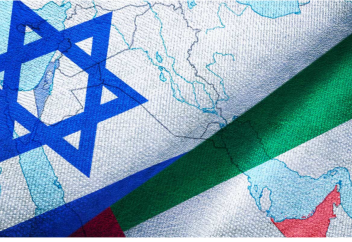
The UAE has normalized relations with Israel while Saudi Arabia says it won't until the question of Palestinian statehood is settled.
The UAE has also been accused of encouraging separatist factions in Syria — among the Druze minority in particular — who want to break away from the new Syrian government. The latter is supported by the Saudis.
Differences between the two countries are getting harder to manage diplomatically, and observers suggest it's leading to a kind of "Cold War" between two of the most influential nations in the Middle East.
Что ждёт напряжённость между Саудовской Аравией и Эмиратами?
After last week, locals from both countries have been attacking one another on social media. One Saudi analyst said the UAE was "tearing countries and societies apart" while another likened the UAE to a rebellious little brother. Meanwhile an Emirati commentator complained Saudi Arabia was like the big brother who thinks they're better than everybody.
But for now, observers don't think things will go beyond name-calling.
"I think the Saudis moved decisively in Yemen to secure their interests and this may have been one of the first times that the UAE faced significant blowback for their support for non-state groups," Coates Ulrichsen told DW.
But there's no real desire for any permanent rupture, so what's most likely to happen is that "the Saudis and Emiratis double down on their own separate policy pathways," he said.
Additionally, although the UAE may have withdrawn its special forces from Yemen, it won't back down altogether, Krieg says: "[Recent events] will make them tighten process, reduce visibility and manage blowback — but the underlying logic still looks intact."
That's a pattern, Krieg says: "When it meets resistance, [the UAE] tends to adjust the wrapper rather than abandon the core play."
Победа в «Холодной войне»?
The UAE has achieved a lot with its methods, Krieg argues. "But the decisive variable is reputational and political cost."
For example, the group the UAE supports in Sudan, the RSF, have been accused of massacres and other atrocities, and the UAE has been criticized for supporting them.
Sudan is a major stress test for the UAE's "axis of secessionists" policy, Krieg concludes.
"The price of sustaining an RSF-centered ecosystem is rising, deniability is thinning, and the blowback is increasingly multi-directional, including from within the Gulf," he says. "So over time, the side that can turn leverage into legitimacy and durable stability will be the one that truly wins."
Редактор: Карла Блейкер
Author: Cathrin Schaer

Союзники США — Саудовская Аравия и ОАЭ — рискуют расколом на Ближнем Востоке из-за конкурирующих взглядов
Формируется «новый порядок», поскольку поддерживаемые Абу-Даби сепаратистские союзники сталкиваются с про-эр-риядскими правительствами в регионе
Союзники Вашингтона на Ближнем Востоке и за его пределами сталкиваются с перспективой присоединения к соперничающим блокам в соответствии с разными взглядами Саудовской Аравии и Объединённых Арабских Эмиратов после редкого столкновения между двумя странами из-за раздираемого войной Йемена.
По мнению аналитиков, бомбардировка Саудовской Аравией поставки оружия, которая, по сообщениям, была предоставлена ОАЭ сепаратистам на юге Йемена на прошлой неделе, выявила разные внешнеполитические подходы двух арабских тяжеловесов в стратегически важных странах Красного моря и Рога Африки.
Появление двух конкурирующих лагерей, возглавляемых Саудовской Аравией и ОАЭ, может подорвать усилия США по привлечению двух давних союзников в рамках новой системы безопасности и экономики Ближнего Востока после ослабления возглавляемой Ираном оси сопротивления во время войны Израиля и Газы.
Есть ли у вас вопросы по самым крупным темам и тенденциям со всего мира? Получите ответы с помощью SCMP Knowledge — нашей новой платформы подобранного контента с объяснениями, часто задаваемыми вопросами, анализами и инфографикой, которую предлагает наша отмеченная наградами команда.
По словам Кристиана Коутса Ульрихсена, научного сотрудника по Ближнему Востоку в Институте государственной политики Бейкера при Университете Райса, возникает серьёзное разделение между некоторыми государствами, стремящимися закрепить региональную стабильность через «функционирующие страны», и теми, которые считают существующую государственную систему «хронически слабой» и, следовательно, требующей их вмешательства через прокси-группы.
Для последнего Ульрихсен сослался на поддержку ОАЭ вооружённых негосударственных групп в Йемене и Судане, а также на отколовшийся режим Ливийской национальной армии (ЛНА) на востоке Ливии, а также на недавнее признание Израилем Сомалиленда новым государством, граничащим с Сомали — первой страной в мире, которая это сделала.
«Сейчас, похоже, существует фундаментальное несоответствие между саудовскими и эмиратскими взглядами на региональный порядок и готовностью принимать или терпеть геополитический риск», — сказал Ульрихсен в программе This Week In Asia.

This was reflected by the flurry of Riyadh's diplomatic activities surrounding its December 31 air strike on a shipment of weapons and vehicles purportedly delivered to the UAE-backed Southern Transitional Council (STC) in Yemen.
It comes after the STC seized control of the eastern Yemeni provinces of Hadramawt and al-Mahra in early December from Yemen's government, which is supported by Riyadh and recognised by most countries in the world.
The UAE pulled out its remaining forces on December 31, a day after an ultimatum issued by the Saudi-backed Yemeni Presidential Leadership Council, leaving STC forces without air cover. Over the past week, the STC has surrendered control of the two provinces to the pro-government Nation's Shield Forces.
Analysts note that the STC offensive was launched soon after Saudi Crown Prince Mohammed bin Salman lobbied the US administration to intensify pressure on Sudan's rebel Rapid Support Forces (RSF) to end its war against the Sudanese military during his visit in November to Washington, where he met President Donald Trump.
Like Yemen's STC, the RSF is a long-standing non-state ally of the UAE, which has heavily invested in the breakaway Puntland and Somaliland regimes of Somalia.
RSF units have fought alongside UAE-backed southern Yemeni forces for a decade against the Iran-aligned Houthis, who seized the northwest of Yemen in 2014.

UAE's separatist allies in Yemen and Sudan, as well as the LNA regime, which rules eastern Libya in opposition to the Tripoli-based government, form a multilayered Abu Dhabi-centred network of surrogates that are in direct opposition to the weak national governments supported by most regional states such as Saudi Arabia, Egypt and Turkey, as well as the US and Europe, according to analysts.
These regional states have issued statements expressing support for Yemen's territorial integrity after the launch of the STC offensive in government-held areas of eastern Yemen last month.
Saudi Arabia, Iran and China, which acts as a guarantor to an agreement between Riyadh and Tehran when they restored diplomatic ties in 2023, called for an "inclusive" political settlement in Yemen during a meeting of their deputy foreign ministers in Tehran last month.
Similarly, Riyadh, Cairo and Ankara have also condemned Israel's recognition on December 26 of the UAE-allied Somaliland regime as an independent state. Israel's move has been widely viewed as having the support of Abu Dhabi, which was followed by a visit by Israeli Foreign Minister Gideon Saar to Hargeisa, Somaliland's capital, on Tuesday.
Israel could also recognise an STC-led secessionist state in southern Yemen with its proposed name of South Arabia, according to analysts. The STC announced last week a two-year transition to independence, along with plans for a referendum in the territory it controls.
The divergent approaches taken by the UAE and Saudi Arabia reflected the "new order" emerging in the Middle East, said Mona Yacoubian, director of the Middle East programme at the Centre for Strategic and International Studies, a Washington think tank.
Both countries were competing to become the leading power in the emerging order, she told This Week In Asia. Their competition has been around for some time before the recent events in Yemen and would likely evolve further into different forms, according to Yacoubian.
While their rivalry could sow discord in the Gulf and beyond, Saudi Arabia and the UAE also had an interest in diversifying their economies and building trade corridors connecting the Middle East to Africa, Europe and Asia, Yacoubian said.
As such, it was premature to view the latest developments as a sign of competing blocs emerging in the region led by the two countries, she added.
"Instead, we are witnessing the birth of a new order in the Middle East, with all the bumps and bruises that go along with an emerging order. Ideally, this shared interest in stability will win the day and lead to more sustained de-escalation of tensions between the two countries."
However, H.A. Hellyer, a senior associate fellow at the Royal United Services Institute for Defence and Security Studies in London, said the rivalry between Abu Dhabi and Riyadh was intensifying due to their divergent visions for the region.
Calling it a "new phase in Arab geopolitics" in a social media post on Saturday, he said: "What was once manageable divergence is now producing open strategic competition."