




|
Правительство Марокко приняло указ о прямой социальной помощи сиротам
|
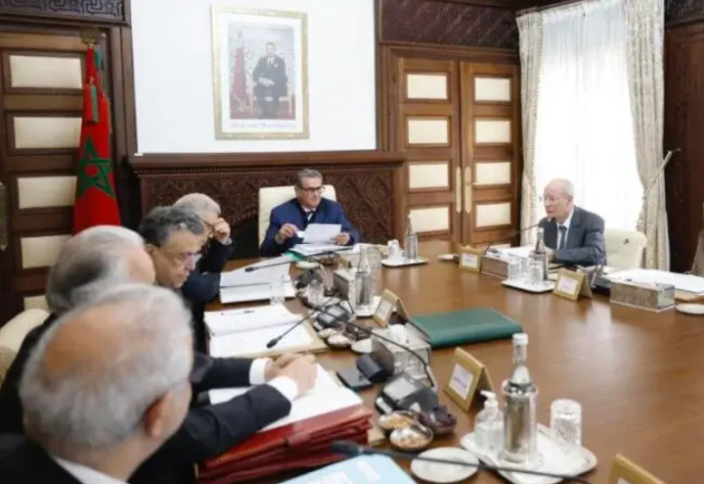
Во вторник Правительственный совет принял проект указа No 2.25.1064 о доступе к исключительной помощи в рамках схемы прямой социальной поддержки. Текст был представлен министром-делегатом при министре экономики и финансов, ответственном за бюджет.
Согласно заявлению министра-делегата, отвечающего за связи с парламентом и представителя правительства, указ относится к реализации нормативной базы, регулирующей программу прямой социальной поддержки, которая была запущена 2 декабря 2023 года в соответствии с Королевскими указаниями.
Проект направлен на реализацию положений статьи 16 Закона No 58.23 о прямой социальной поддержке путём определения размеров, условий и критериев права на получение помощи, а также механизмов предоставления специальной помощи сиротам и брошенным детям, проживающим в учреждениях социальной защиты.
Текст учитывает конкретные обстоятельства этой категории, при этом обеспечивая равное обращение с другими детьми, получающими поддержку в рамках прямой социальной помощи, сообщил тот же источник.
Согласно указу, ежемесячная сумма помощи устанавливается в размере 500 дирхамов, которые перечисляются на счёт, открытый на имя ребёнка в Caisse de Dépôt et de Gestion (CDG), в соответствии с законодательными положениями, регулирующими управление средствами несовершеннолетних.
Достигнув совершеннолетия, бенефициар сможет снять всю сумму, накопленную на счете, с гарантией, что общая сумма не будет менее 10 000 дирхамов.
В случае постоянного ухода ребёнка из учреждения или достижения совершеннолетия бенефициару или, при необходимости, его законному представителю будет проинформирована вся информация, касающаяся счёта.
Социальное обеспечение для неформальных работников
По состоянию на 20 декабря почти 2,7 миллиона работников частного сектора в Непале были включены под действие системы социального обеспечения. Однако до недавнего времени доступ к медицинскому страхованию, пенсиям и другим социальным льготам широко рассматривался как исключительная привилегия ограниченного числа государственных служащих. Это событие знаменует собой значительную трансформацию в направлении исполнения конституционных обещаний социальной справедливости и социальной демократии.
Непал действительно добился похвального прогресса в создании правовых и институциональных баз для укрепления и расширения своей системы социального обеспечения. Закон о социальном обеспечении на основе взносов 2017 года вместе с сопутствующими нормативными актами обеспечивает социальное страхование работников частного сектора, включая сотрудников формального и неформального секторов, самозанятых лиц и мигрантов. Кроме того, 16-й Периодический план развития 2024/25-2028/29 ставит амбициозные цели: расширение страхования социального обеспечения до 60 процентов населения и сокращение неформальной занятости на 22 процента к концу финансового года 2028. В дополнение к этим усилиям Интегрированная национальная рамка социальной защиты направлена на продвижение социального обеспечения на основе взносов, одновременно объединяя фрагментированные программы социальной защиты для повышения их общей эффективности.
Хотя правительство сформулировало эти прогрессивные и амбициозные политики, а провинциальные и местные органы власти прилагают целенаправленные усилия, чтобы объединить бедных и уязвимых работников под эгидой Фонда социального обеспечения (SSF), сохраняется резкий разрыв между намерениями политики и реальностью. Несмотря на конституционную цель гарантировать социальное обеспечение на основе взносов как фундаментальное право для каждого работника, более четырёх из пяти работников в Непале продолжают работать неформально — выходящие за рамки эффективного действия трудового и социального законодательства.
Реальность неформального сектора распределена неравномерно. Женщины чаще, чем мужчины, оказываются в ловушке неформальной работы: более 90 процентов занятых женщин работают неформально, по сравнению с 81,1 процента мужчин. Неформальность ещё более распространена среди исторически маргинализированных групп. Далитские и мусульманские общины сталкиваются с наивысшими показателями, при этом мадхеси-далиты почти полностью исключаются — тревожно 98 процентов заняты неформальной работой.
These statistics are not abstract. They represent the farmers who feed the nation, the street vendors who sustain urban economies, the construction labourers who build our infrastructure, and the domestic workers who support countless households. Together, they keep Nepal's economy running-yet they remain invisible to the very systems meant to protect workers. Most informal workers live with constant insecurity: No insurance, no income protection, no safety net during illness, accidents, old age, or economic shocks. When their rights are ignored, millions of families are left trapped in cycles of poverty and exclusion.
Extending social security to informal workers is, therefore, not only a moral imperative but also a development necessity. Informality and poverty go hand in hand. While only 2.98 percent of formal workers live in poverty, 18 percent of informal workers do. The situation is even more dire for agricultural wage workers, whose poverty rate stands at 37.8 percent-the highest in the country. Precarious working conditions deepen this vulnerability: 42 percent of informal wage workers earn less than the minimum wage, 80 percent rely on verbal contracts that can be terminated at any time, and the vast majority lack protection during sickness, maternity, disability, workplace accidents, or the loss of a family breadwinner. These conditions-low and unstable incomes, job insecurity and absence of social protection-perpetuate intergenerational poverty. Social security is one of the most powerful tools to break this cycle.
The importance of social protection becomes most evident during crises. Shocks such as natural disasters and pandemics do not affect everyone equally; they magnify existing vulnerabilities. The Covid-19 lockdowns were a painful reminder. Daily wage earners and informal workers bore the brunt of the crisis-not because of the virus, but because they had no savings, job security or access to social protection. This experience should serve as a lesson. Social protection measures-health insurance, pensions, maternity benefits and disability or accident coverage-help families survive crises and recover faster.
Strengthening social security is also critical in a country as climate-vulnerable as Nepal. Climate-induced disasters are becoming more frequent and severe, threatening livelihoods and pushing vulnerable populations deeper into poverty. Robust social protection systems play a vital role in climate adaptation by addressing the root causes of vulnerability, reducing inequality and building resilience. They support a just transition by enabling people and communities to cope with climate-related risks.
Finally, extending social security to informal workers is not merely good policy-it is a legal and moral obligation. Nepal's Constitution, under Article 34, enshrines social security as a fundamental right for all workers, regardless of employment status. Nepal has also expressed its commitment to following the International Labour Organisation Recommendation (ILO) No. 202, which calls on countries to guarantee at least a basic level of social protection for everyone, including access to essential health care and minimum income security. Expanding coverage is also central to achieving the Sustainable Development Goals, particularly those related to ending poverty, promoting health and well-being, achieving gender equality, ensuring decent work, and reducing inequality.
Extending social security to Nepal's informal workforce must not be treated as an optional measure; it is a matter of human rights and justice that demands urgent action. In the federal Nepal, local governments must be empowered and held accountable to identify informal workers, maintain accurate records, and link them systematically to public services, including social security schemes. At the same time, effective coordination and collaboration among federal, provincial and local governments are essential to operationalise contribution subsidies, as envisioned in the Contribution-Based Social Security Act. Without such coordinated action, policy commitments will remain unrealised promises.
The ILO is starting a National Campaign together with the SSF and the Ministry of Labour, Employment and Social Security to bring the informal workers and the self-employed under the umbrella of the social security system. The motto of the campaign is, "Join Social Security for a secure future for you and your family."
The time to act is now. We expect all the workers, employers and authorities to support this collective effort and join in the campaign to build a Nepal where no worker is left behind.