






|
Появится ли на Ближнем Востоке «исламское НАТО»?
|
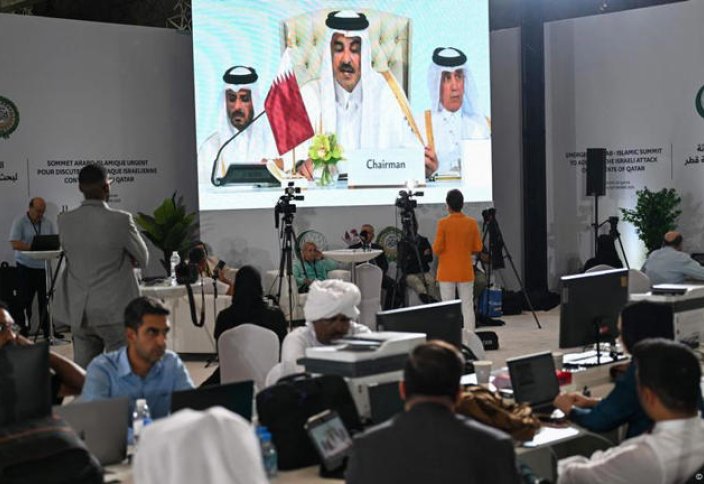
Первое в истории нападение Израиля на государство Персидского залива вызывает изменения в арабской оборонной политике, с большим количеством призывов к региональному сотрудничеству и общим оборонительным пактам. Некоторые политики даже призывают к созданию «исламского НАТО».
Государство Персидского залива Катар мало что могло сделать против баллистических ракет, выпущенных Израилем около двух недель назад.
По сообщениям СМИ, около 10 израильских истребителей пролетели над Красным морем 9 сентября, убедившись, что они не находятся в воздушном пространстве какой-либо другой страны, прежде чем выпустить ракеты в рамках так называемой атаки «за горизонт».
Таким образом, баллистические ракеты погружаются в верхние слои атмосферы Земли или даже в космическое пространство, прежде чем снова спуститься вниз. Конечной целью израильских ракет стали члены военизированной группировки ХАМАС, собравшиеся, чтобы обсудить возможное прекращение огня в Газе, в престижном районе столицы Катара Дохи. Шесть человек были убиты, хотя, по-видимому, это не были цели Израиля.
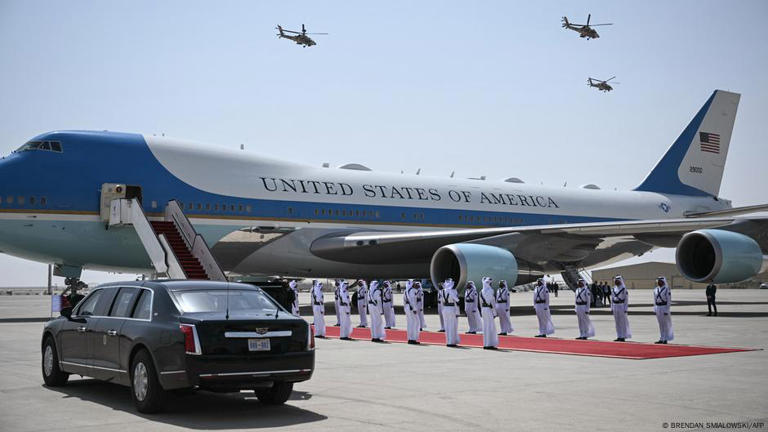
Потому что ракеты прилетели неожиданно, из-за горизонта, Катар мало что мог сделать, чтобы защитить себя. Как бы то ни было, одна из самых важных мер предосторожности Катара против Израиля не имеет ничего общего со сложными системами противоракетной обороны. Крупнейший союзник Израиля, США, имеет свою крупнейшую региональную базу в стране и недавно предоставил Катару статус «основного союзника, не входящего в НАТО».
Но, похоже, этого оказалось недостаточно, чтобы остановить Израиль от осуществления его первого известного нападения на арабское государство Персидского залива. И это также шаг, о котором США потенциально должны были знать.
США считают ненадежными
«Израильский удар... Это потрясает предположения стран Персидского залива об их связях с США и сблизит их», — написала вскоре после нападения Кристин Диван, старший научный сотрудник Института арабских государств Персидского залива в Вашингтоне. «Эти нефтяные монархии слишком похожи друг на друга... Такой прямой удар по их суверенитету и предполагаемой безопасности является анафемой для всех них».
В результате, «правители стран Персидского залива продвигаются вперед в стремлении к большей стратегической автономии и все больше стремятся застраховаться от рисков, связанных с зависимостью от США», — подтвердил в этом месяце Санам Вакил, директор программы Chatham House по Ближнему Востоку и Северной Африке.
All of this is why, over the past week or so, there's been growing talk of the formation of an "Islamic NATO," a defense alliance of Islamic and Arab states that could work similarly to the North Atlantic Treaty Organization, or NATO.
At an emergency summit organized by the Arab League and the Organization of Islamic Cooperation last week, Egyptian officials suggested a NATO-style, joint task force for Arab nations. In a speech at the summit, Iraqi Prime Minister Mohammed Shia al-Sudani also called for a collective approach to regional security. And the six members of the Gulf Cooperation Council, or GCC — Bahrain, Kuwait, Oman, Qatar, Saudi Arabia and the United Arab Emirates — said they would activate a provision in a joint defense agreement, first signed in 2000, that said an attack on one member state was an attack on all.
The phrasing is similar to that used in Article 5 of the NATO pact.
After the initial emergency summit, Gulf states' defense ministers held another meeting in Doha and agreed to enhance intelligence-sharing and aerial situation reports, and to fast track a new regional system for ballistic missile warnings. Plans were also announced for joint military exercises.
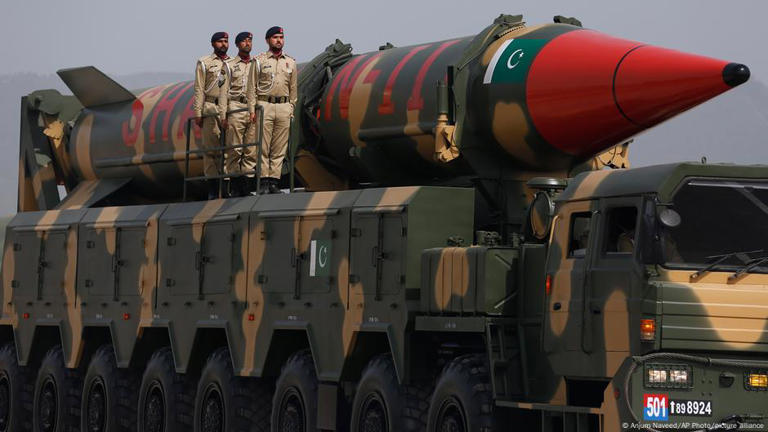
The same week, Saudi Arabia announced it was entering into a "strategic mutual defense agreement" with Pakistan. The two countries declared "any aggression against either country shall be considered an aggression against both."
Является ли это началом «исламского НАТО»?
It may sound like some kind of "Islamic NATO" is forming to counter Israel, but the reality is a little different, observers told DW.
"A NATO-style alliance is unrealistic because it would tie Gulf states to wars they do not consider vital to their own interests. No ruler in the Gulf wants to be pulled into a confrontation with Israel on Egypt's behalf, for example," Andreas Krieg, a senior lecturer at the School of Security Studies at King's College London, said.
However things are changing after the Doha attack, observers say.
"Security in the Gulf has long been based on a tributary logic, [where] basically you pay someone else to take care of your protection," Krieg continued. "That mentality is beginning to shift after the attack on Doha," he acknowledges, "but only slowly."
What the world may see instead of an "Islamic NATO" is the so-called "6+2 format," explains Cinzia Bianco, an expert on the Gulf states at the European Council on Foreign Relations, or ECFR. The phrase, "6+2," refers to the six GCC states and Turkey and Egypt.
Bianco believes that such a format is likely being discussed on the sidelines of the United Nations General Assembly this week.
"It's not really about an Article 5 kind of arrangement though," she told DW — Gulf states' commitment to one another's defense isn't as solid as that of NATO members. "It's more likely to be about collectivizing security and defense postures and, perhaps most importantly, sends a message of deterrence to Israel," she told DW.
Военная помощь из других стран
The "6+2" makes more sense than an "Islamic NATO," Krieg continues. Turkey is actually "the most credible non-Western partner for the Gulf, with troops already stationed in Qatar since 2017 and real capability to move quickly in crises," Krieg argues. "Egypt is more complicated though. It has military mass but its reliability is questioned in some Gulf capitals."
And even if a "6+2" format is on the cards, it will happen slowly and quietly, both Krieg and Bianco note.
"Most of the serious changes will happen behind the scenes," Krieg predicts. "We will see public communiques, summits and joint exercises. But the important work like sharing radar data, integrating early-warning systems, or granting basing rights will remain discreet."
It's also possible that the Gulf states, who have largely been dependent on the US, could try to expand defense ties with other countries.
"Certainly there are other actors, like Russia and China, who are willing to replace the US," Sinem Cengiz, a researcher at Qatar University's Gulf Studies Center, told DW. "But it is unlikely that any external actor will replace the US overnight."
There's no way the Gulf states would want that anyway, Bianco adds. They remain reliant on US military technology. For example, after the Doha attack, Qatar sought reassurances from the US that they were still their partners.
"An important side note here is also that the US actually has never been openly against this kind of regionalization of defense," Bianco points out. "They've actually always encouraged a single ballistic missile defense architecture for Gulf countries."
In fact, more military integration in the Gulf could mean more US, because American systems are the backbone of regional defense, Krieg explains.
"But the political meaning has shifted," he concludes. "Washington is no longer seen as the ultimate guarantor of security, but as a partner whose support is conditional and transactional. Gulf leaders are adjusting to the idea that the US has interests, rather than allies and are seeking a Gulf-led security pole, a middle ground between Iran and Israel."
Редактор: М. Сасс
Author: Cathrin Schaer