






|
Почему инвесторы до сих пор финансируют ископаемое топливо?
|
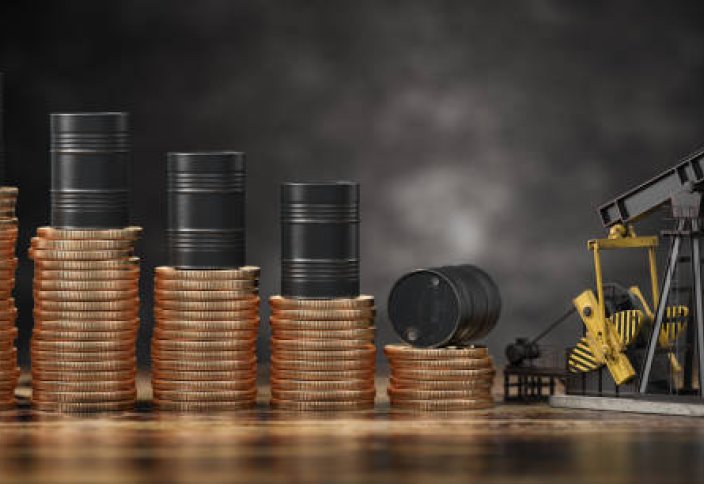
Финансовые игроки, которые взяли на себя обязательства по борьбе с изменением климата, продолжают вливать триллионы долларов в индустрию ископаемого топлива. Что случилось с отказом от инвестиций в нефтегазовую отрасль?

В 2016 году датский пенсионный фонд изменил свое мнение, что редко встречается в финансовом секторе. В то время AkademikerPension инвестировала $1 млрд в то, что считалось безопасным финансовым убежищем нефтяных гигантов, таких как ExxonMobil, Shell и BP. Но поскольку глобальные температуры продолжали расти, это не устраивало совет директоров компании.
Члены изучили различные климатические сценарии, доступные в то время, и пришли к выводу, что продолжение инвестиций в ископаемую энергию не будет иметь финансового смысла в долгосрочной перспективе.
«Это был действительно главный вывод для нас, который привел к нашему решению о продаже сектора», — сказал Андерс Шельде, главный инвестор фонда. Решение было принято не только о достижении «хороших инвестиционных результатов», но и о том, чтобы сделать это «ответственным образом», добавил он.
Таким образом, фонд вывел свой 1 миллиард долларов из нефтяных компаний, чтобы использовать его более безопасным для климата способом.
Этот шаг был активным заявлением, но он не повлиял на судьбу индустрии ископаемого топлива. Сектор по-прежнему получает ежегодный объем инвестиций в триллион долларов, и в 2024 году использование нефти, газа и угля достигло рекордных значений. Кроме того, выдаваемые новые лицензии на разведку в совокупности охватывают территорию размером со Швецию.
Несмотря на то, что глобальные температуры, неразрывно связанные с выбросами от сжигания ископаемого топлива, продолжают расти, прогнозируется дальнейший рост в этом секторе. В то время как многие говорят, что будут инвестировать в возобновляемые источники энергии, на самом деле инвесторы не спешат это делать. Так что же их сдерживает?
Как движутся деньги?
Большая часть новых энергетических мощностей в настоящее время поступает от солнечной или ветровой энергии, установка которых намного дешевле, чем добыча угля или бурение нефтяных скважин. Но отчет отдела маркетинговых исследований Bloomberg, BNEF, показал, что на каждые 100 долларов (88 евро), которые банки инвестируют в такую возобновляемую инфраструктуру, они вкладывают 112 долларов в ископаемое топливо.
In its latest World Energy Investment report, the International Energy Agency (IEA) said higher energy demand for artificial intelligence, data centers and the desire for energy independence is driving investment in renewables. But to meet the targets agreed in global climate talks, "the annual investment required in renewable power still needs to double," according to the IEA.
At the same time, "the fossil fuel industry is still very profitable, with high returns in the short term," said Nadia Ameli, professor in climate finance at University College London.
That's reflected in the investment habits of around 60 of the world's biggest banks, which have injected around $7 trillion into the fossil fuel industry since the 2015 Paris Climate Agreement, according to a 2024 report published by several NGOs. In Paris, the world pledged to try to keep global warming to 1.5 degrees Celsius (2.7 degrees Fahrenheit) by burning less coal, oil and gas.
Whether in the form of bonds or syndicated loans — which sees several banks band together to grant a join loan — much of the cash has repeatedly come from the same financial institutions.
Yet many of those banks, along with asset managers and insurers, have pledged to align their investments with reduced emissions by 2050. Ameli said commitments made in initiatives like the Net-Zero Banking Alliance, which aims to support banks in meeting the Paris Agreement goals, were voluntary and have not yet amounted to much.
"Even if over time we see some banks reducing their investments, when we look at the total finance provided to the fossil fuel sector, the amount was always the same. So that means someone else stepped in," she said.
Speaking off-the-record, one major investment company told DW that as long as fossil fuel demand exists, money will be invested, adding that it's up to politics, tech and consumers to make investors shift their money.
Аргументы в пользу дивестиций
Divestment from fossil fuels has grown in recent years. According to a non-profit database, more than 1,600 organizations, including churches, universities and a couple of large funds, have committed to either fully or partly withdrawing their investments from the industry.
Motivated by a wish to avoid the financial risk of stranded assets in the case of declining fossil fuel use as the world continues to warm, they also want to take climate action. That means stopping the burning of oil, coal and gas, which are responsible for almost 90% of all planet-heating CO2 emissions.
For AkademikerPension that meant moving the $1 billion they had tied up in oil giants, to renewable energy companies like Danish wind energy giant Orsted.
Изъятие инвестиций против вовлечения
Some of that money was in bonds, some in shares. Owning shares means owning a part of the company. Unlike loans or bonds — where the investor charges interest on what they lend — buying shares in a company brings more than just financial gain.
Stable share ownership is a vote of confidence for a company and helps to create a buoyant market value. Shareholders in turn gain a seat at the company table, where they can exert influence on activities.
To that end, critics of divestment say that rather than pulling investment out of fossil fuel companies, it's better to try and have some internal influence to steer a company's course from within.
But the evidence of what is more effective —divestment or engagement — is scant.
One US study that looked at ownership of high-emitting businesses, including fossil fuel companies, found reductions in greenhouse gas emissions when stock ownership by green funds increased. And concluded that "green investors make companies greener."
According to an overview study, divestment can reduce a fossil fuel company's market value but doesn't seem to impact its carbon emissions. Additionally, Ameli said the overall volume of investment in the sector hasn't changed. "If an investor withdraws support, someone else is ready to step in," reiterated Ameli.
Many researchers and investors suggest the best way to exert pressure on a company to cut emissions is engagement, with divestment as a backup.
Инвестиции в возобновляемые источники энергии растут
Overall, Anders Schelde from AkademikerPension views the divestment as profitable for their pension fund. "But if you take a short-term horizon, just measure over the last three or four years, it's been a very bad decision," he adds.
In recent years, many renewable energy companies, including Orsted, have performed poorly on the stock markets.
Ameli said the renewables sector faces different challenges to coal, oil and gas, in part because it is "way more fragmented," making it more difficult to invest large sums. And because it also often generates revenue in local currencies, volatility can influence the profit for investors.
Binding regulation rather than voluntary divestment is needed to accelerate change, say experts.
"Like a public, transparent assessment of the financial sector of a country and its exposure to the fossil fuel industry," said Katrin Ganswindt, a campaigner at non-profit Urgewald. This is something France is doing.
Идея заключается в том, что обнажение инвестиций в ископаемое топливо увеличивает давление на переход к инвестициям в возобновляемые источники энергии.
France has also tightened international standards for green investments, which are often criticized for giving loopholes to fossil fuels. Similar strict rules apply to investors operating throughout the EU.
"European countries are leading the way," Ameli said, adding regulations need to target the world's biggest banks to create a ripple effect.
"If the biggest investors pull out of fossil fuels, this could trigger a global retreat of banks from the sector," she said.
Редактор: Тэмсин Уокер
Author: Jonas Mayer