

|
По отчёту Всемирного банка, 200 000 кенийцев потеряли работу после того, как правительство взяло на себя распределение удобрений
|
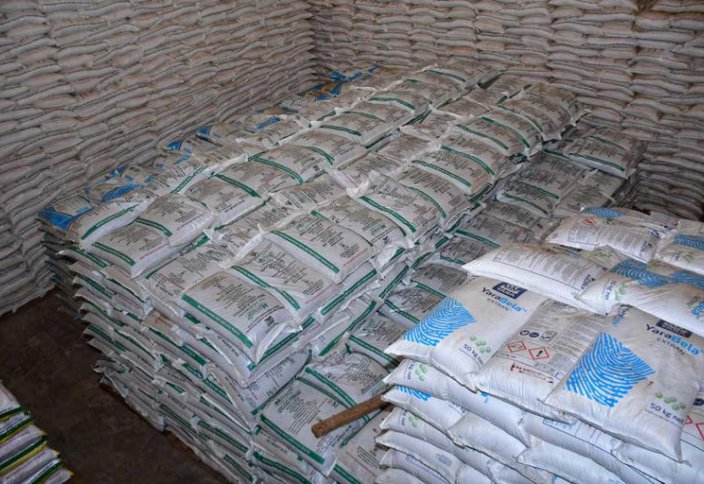
Новый доклад Всемирного банка показал, что субсидируемая программа удобрений президента Уильяма Руто привела к потере примерно 200 000 рабочих мест в цепочке поставок.

The multilateral lender noted that thousands of jobs were lost, especially among last-mile agro-dealers, as a result of the second National Fertiliser Subsidy Programme (NFSP-2), which was carried out in collaboration between the government and a small number of importers
The government centralised the importation and distribution of fertiliser under NFSP-2, enabling only authorised vendors to sell subsidised inputs, mostly through state-affiliated channels.
«Установив эксклюзивность в распределении и розничной торговле субсидируемыми удобрениями, NFSP-2 потенциально может привести к неэффективности распределения и вытеснить столь же эффективных конкурентов. Потеря бизнеса у частных дистрибьюторов и агродилеров также, по оценкам, привела к потере более 200 000 рабочих мест по всей цепочке поставок», — заявил банк, сообщает Business Daily.
Как работает программа субсидирования удобрений в Кении?
In exchange for the government agreeing to pay them for each bag sold, contracted importers make a specified quantity of particular fertiliser types available for sale to any farmer at set, below-market retail pricing.
This was a significant change from the earlier programme, which involved the commercial importation of fertiliser by private companies and its distribution through a vast network of independent agro-dealers.
A target group of farmers received cash-valued vouchers before the programme's modification.
Without negotiating with the government, the scheme allowed importers, distributors, and retailers along the supply chain to freely import fertiliser and establish pricing based on market incentives.
Какую ещё проблему субсидирования удобрений поднял Всемирный банк?
According to the World Bank, the initiative also made it harder for farmers, especially those in rural areas, to buy subsidised fertiliser from local private outlets.
Due to the change, many farmers had to travel farther to obtain inputs, which raised expenses and decreased timely uptake.
«На практике это означает, что большинство агродилеров на последней миле не могут участвовать, даже если смогут обеспечить клиентам лучший сервис», — добавили данные.
Были ли удобрения правительства Кении некачественными?
In 2024, the Kenya Bureau of Standards (KEBS) recalled 5,800 bags of a fertiliser brand from the market after a quality assessment suggested it did not meet standards.
KEBS managing director Esther Ngari revealed that BL-GPC Original fertiliser distributed by the National Cereals and Produce Board (NCPB) was not organic and had counterfeited the standardisation marks.
She disclosed the details while appearing before the National Assembly's Departmental Committee on Agriculture on Wednesday, March 20, 2024.