


|
Плацдарм Ирана простирается в Северную Африку
|
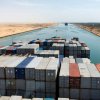
В первые дни войны между Израилем и ХАМАСом Иран выступил с ошеломляющей угрозой: если Израиль не ослабит свои позиции в Газе, Тегеран закроет Гибралтарский пролив, узкий морской проход, отделяющий Африку от Европы и соединяющий Средиземное море с Атлантикой. В то время предупреждение казалось пустым. Ни Иран, ни кто-либо из его известных доверенных лиц не имели военного присутствия вблизи пролива, способного на такое.
Теперь логика угрозы становится очевидной
Новый репортаж Washington Post о «Хезболле» раскрывает важную деталь: Иран «обучал бойцов базирующегося в Алжире Фронта ПОЛИСАРИО, военизированной группировки, борющейся за независимость Западной Сахары от Марокко, и сотни из них теперь задержаны новыми сирийскими силами». Иран часто полагается на «Хезболлу» для подготовки других своих прокси-сил. Присутствие ПОЛИСАРИО в Сирии, воюющей на стороне свергнутого, поддерживаемого Тегераном режима Башара Асада, указывает на то, в какой степени он функционирует как иранский прокси. В 2020 году Соединенные Штаты признали Западную Сахару марокканской территорией, отклонив заявку Полисарио на отделение.
Иран связан с Полисарио через «Хезболлу»
Хотя эта связь вызывает тревогу, она не нова. В 2018 году Марокко обвинило Тегеран в оказании финансовой и материально-технической поддержки группировке через ливанского ставленника Ирана «Хезболлу». «В этом месяце «Хезболла» направила ракеты SAM9, SAM11 и «Стрела» в Полисарио при попустительстве посольства Ирана в Алжире», — сказал министр иностранных дел Марокко Насер Бурита. Рабат разорвал дипломатические отношения с Тегераном из-за этого инцидента.
In 2022, a Polisario Front representative claimed that Iran would supply the group with kamikaze drones. A few weeks later, the Moroccan representative to the United Nations presented images confirming that Iran and Hezbollah supplied Polisario with “advanced weapons, including Iranian drones.” In January, videos circulating on social media simulated a Polisario attack on Morocco using drones.
Algeria Is Polisario’s Main Backer
Algeria bankrolls the Polisario Front, arms it, issues passports to its members, and hosts its leadership in the Tindouf refugee camps near its border with Morocco. Polisario operates with significant backing from the Algerian regime, which uses it to exert pressure on Morocco.
In November 2024, Polisario fired rockets at a festival commemorating Morocco’s 1975 “Green March,” which saw 350,000 Moroccans march into the territory to remove Spanish troops, which colonized the territory since 1847. The projectiles landed adjacent to the Algerian border. Moroccan media reported that “Polisario’s attack was launched from inside Algerian territory.”
The group’s ties to extremist groups run deep. Adnan Abu al-Walid al-Sahrawi — a notorious jihadist and former Islamic State emir in the Sahel — once held a senior position in Polisario. He was killed by French forces in Mali in 2021. His story reveals how Tindouf became a breeding ground for extremist militant organizations and a cross-border jihadist recruitment center for al-Qaeda in the Islamic Maghreb and the Islamic State.
The cost extends to children. A Geneva-based NGO told the UN Human Rights Council, “Since the camps were established, Polisario leaders have blocked groups of children from finishing their education — forcing them instead into military training and armed action.” The report accuses the group of systematically exploiting thousands of minors for political and military ends.
U.S. Should Open Consulate in Western Sahara and Designate Polisario as Terrorist Group
The Trump administration should move quickly to open the promised U.S. consulate in Dakhla, reinforcing America’s commitment to Moroccan sovereignty over Western Sahara. At the same time, the United States should consider designating Polisario Front as a foreign terrorist organization. Backed by Iranian funding and training, Polisario targets Moroccan civilians and security forces — actions directed against a key U.S. ally. It also maintains deep ties with jihadist networks across Africa that threaten U.S. interests and regional stability.
Ahmad Sharawi is a research analyst at the Foundation for Defense of Democracies (FDD), where he focuses on Middle East affairs, specifically the Levant, Iraq, and Iranian intervention in Arab affairs, as well as U.S. foreign policy toward the region.
Mariam Wahba is a research analyst at FDD. For more analysis from Ahmad, Mariam, and FDD, please subscribe HERE. Follow Ahmad and Mariam on X @AhmadA_Sharawi and @themariamwahba. Follow FDD on X @FDD. FDD is a Washington, DC-based, nonpartisan research institute focusing on national security and foreign policy.
Источник: Ахмад Шарави и Мариам Вахаб
The post Iran’s Foothold Reaches Into North Africa appeared first on DailyGuide Network.
Daily Guide Ghana