






|
Новое правило Индии, направленное против Китая, останавливает экспорт стали из Непала
|
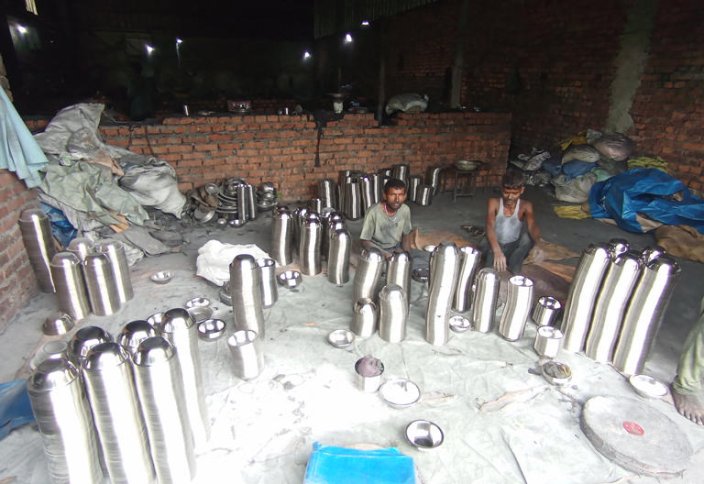
Экспорт стальной посуды из Непала в Индию прекратился после того, как южный сосед обязал сырье, используемое в стальной продукции, иметь знак сертификации качества.
Ранее сертификация Бюро индийских стандартов (BIS) требовалась только для готовой продукции. Этот шаг был направлен на сдерживание китайского импорта. Тем не менее, около двух месяцев назад Индия распространила требования на сырье, вызвав экспортный кризис для производителей в Непале, особенно для тех, кто работает в Специальной экономической зоне (СЭЗ) в Бхайрахаве.
До этого изменения, в 2020 году, правительство Индии поручило БМР обеспечить соблюдение обязательных стандартов для импортируемых товаров в соответствии с мировыми нормами качества. Этот шаг был широко истолкован как стратегия по ограничению ввоза китайской продукции через соседние страны.
Запретив китайские мобильные приложения, Индия ограничила импорт более 370 китайских товаров.
Инсайдеры отрасли считают, что последнее регулирование является частью той же стратегии.
«Индия не хочет поставлять из Непала продукцию, содержащую китайские компоненты, будь то сталь или гидроэлектроэнергия. Это чрезвычайно беспокоит ведущих экспортеров Непала», - сказал один из экспортеров, попросивший не называть его имени.
По словам трейдеров, после того, как непальские производители выполнили более ранние требования BIS к готовой продукции, Индия добавила еще одну многоуровневую сертификацию BIS для импортного сырья, что рассматривается как создание новых барьеров для торговли.
В настоящее время две крупные компании - Bhistar Global Pvt Ltd и Panchakanya Steel - работают в ОЭЗ и экспортируют стальную продукцию в Индию. Panchakanya экспортирует резервуары из нержавеющей стали, в то время как Bhistar поставляет разнообразную бытовую стальную посуду.
Девендра Саху, генеральный директор Panchakanya Group, сказал, что экспорт полностью прекратился после изменения политики. «До сих пор мы экспортировали товары после получения производственного сертификата от Департамента промышленности Непала, добавляя стоимость импортируемому сырью», - сказал Саху. «Но теперь правила по существу требуют, чтобы сырье было индийским, в то время как производство может осуществляться в Непале».
Компания Bhistar уже получила сертификацию BIS для своей готовой продукции. Тем не менее, завод был вынужден остановить производство, поскольку его сырье, в основном поставляемое из Китая, теперь также требует сертификации BIS, что нецелесообразно.
The company is currently appealing to the Siddhartha Chamber of Commerce and Industry and other relevant institutions for support. "We import raw materials from China, add value in Nepal, obtain certification from the Federation of Nepalese Chambers of Commerce and Industry (FNCCI), and then treat it as a Nepali product," said Arbind Tripathi, Chief of Accounts at Bhistar Global.
Before the change, Bhistar was producing about 400 tonnes of kitchen utensils each month. Now, with exports blocked, production has dropped to just 20 to 30 tonnes a month for the domestic market. Tripathi said roughly 200 tonnes of finished goods are currently stuck in their warehouse due to the export ban.
Ram Prasad Regmi, chief of the Bhairahawa Customs Office, confirmed that exports of such goods have been halted for nearly two months. "India recently installed new software for its Steel Import Monitoring System," he said. "Nepal is not listed in that system, which has created technical issues."
Regmi explained that the core of the problem lies in India's decision to make BIS certification mandatory for raw materials in addition to finished products. "Nepali manufacturers have always sourced raw materials from wherever they are cheapest. Now it seems that only raw materials sourced from India will be allowed for exports to India," he said. "Otherwise, there will be barriers."
He criticised the new Indian regulation, saying it does not align with international trade norms. "No other product category exported from Nepal is subjected to such a rule. With raw material imports now blocked, some factories may be forced to shut down," Regmi warned.
He also noted that exports of such steel goods contributed to foreign currency earnings and helped cut the bilateral trade imbalance. "This isn't just a business issue. It affects our national trade performance," he added.
According to customs data, steel and iron utensils ranked sixth among Nepal's top 10 export items in the last fiscal year. Nepal exported 38,725 tonnes worth Rs736.25 million.
Netra Acharya, president of Siddhartha Chamber of Commerce and Industry, said the Indian regulation is deliberately restrictive. "India imposed this rule as Nepal sources raw materials from China," he said. "But getting a BIS logo on raw material is practically impossible. This has put investors in a tight spot."
Acharya said the chamber immediately raised the issue with concerned authorities when the problem emerged. "We continue to press the relevant government bodies to act. The private sector alone cannot solve this. The government must take the initiative and engage India diplomatically," he said.