



|
Ноутбуки, айфоны «Сделано в Саудовской Аравии»: ажиотаж или реальная возможность?
|
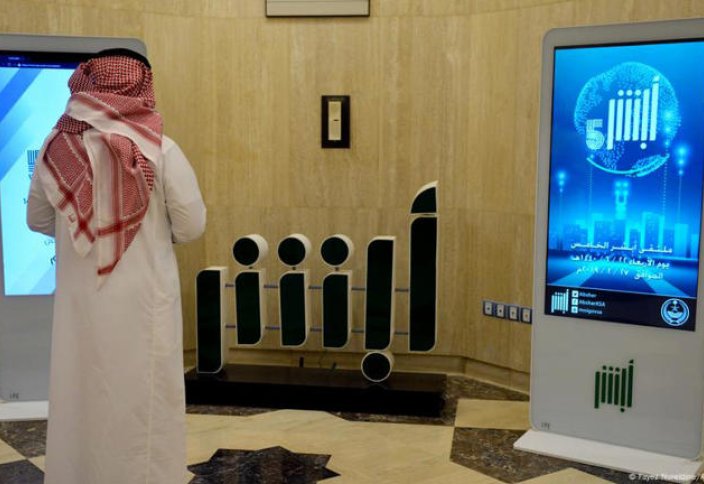
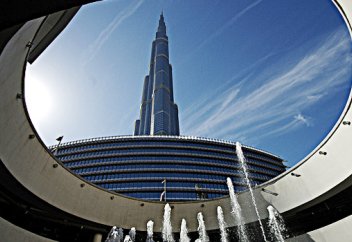
Саудовская Аравия и ОАЭ избежали высоких тарифов, введенных правительством США. В прошлом международные компании часто создавались заново в странах с низкими тарифами, чтобы избежать повышения цен. Произойдет ли это и на Ближнем Востоке?
«Сделано в Саудовской Аравии» — это предложение было раскручено с тех пор, как президент США Дональд Трамп ввел высокие тарифы на товары, произведенные в Китае и других азиатских странах.
«Саудовская Аравия должна прямо сейчас отправить своих торговых представителей в администрацию Трампа с вопросом: «Что вам предоставлял Китай? Скажите нам, что это такое, и мы сделаем это в Саудовской Аравии», — заявила в прошлом месяце СМИ Middle East Eye Эллен Уолд, историк и автор книги 2018 года «Saudi, Inc.: The Arabian Kingdom's Pursuit of Profit and Power».
Китай и другие страны, включая Вьетнам и Таиланд, являются основными центрами производства со многими транснациональными компаниями, от Adidas до Apple, производящими там все, от ноутбуков до спортивных костюмов. Но в апреле администрация Трампа ввела для них более высокие тарифы.

Однако другим странам удалось избежать самых жестких тарифов Трампа. Большинство стран Персидского залива, включая Саудовскую Аравию и Объединенные Арабские Эмираты, были освобождены только от 10% тарифов.
Одним из вариантов, который компании использовали для того, чтобы избежать высоких тарифов в недавнем прошлом, был переход к производству в странах с низкими тарифами. Для многих международных компаний это началось несколько лет назад, когда возросла напряженность в торговле между США и Китаем — это одна из причин, почему Вьетнам и Таиланд так преуспевают в этом секторе.
Следующие «стержневые страны» на Ближнем Востоке?
И Саудовская Аравия, и ОАЭ пытаются диверсифицировать свою экономику от нефти и развивать производство, особенно в секторе высоких технологий. В ОАЭ в 2021 году стартовала операция «300 млрд», которая предусматривает увеличение вклада местного промышленного сектора в национальный доход до 300 млрд дирхамов ОАЭ (72 млрд евро). У Саудовской Аравии есть программа «Видение 2030», в которой также уделяется внимание развитию местного производства и промышленности.
Уже появились сообщения о том, что некоторые из крупнейших мировых технологических компаний, в том числе американские бренды Dell и HP, ищут площадки для новых заводов в Саудовской Аравии. Китайская фирма Lenovo строит там завод по сборке компьютеров и серверов, а саудовская компания Alat, финансируемая государством на сумму около 100 миллиардов долларов (88 миллиардов евро), сотрудничает с японской Softbank Group в области промышленной робототехники, которая позже может быть использована на сборочных линиях, решая проблему нехватки местной рабочей силы. Саудовцы, по-видимому, также обхаживают китайскую Foxconn, крупного поставщика iPhone для Apple, и тайваньскую Quanta, которая производит компьютеры и компьютерные запчасти для таких компаний, как Dell.
"Dozens of countries are pitching to take advantage of high tariffs on Asian countries that export to the US, in the hope that they will be able to penetrate the US market," David Butter, an associate fellow at the UK think tank Chatham House, told DW.
У Pivot есть положительные и отрицательные стороны
"And countries like Saudi Arabia could position themselves as relative safe havens for businesses seeking to escape higher tariffs or mitigate the uncertainties surrounding them," Nader Kabbani, director of research at the Qatar-based Middle East Council on Global Affairs, or ME Council, explained.
Saudi Arabia has a lot of attributes that could help make that happen, Kabbani continued.
"It has abundant natural resources, including and in addition to oil. It has a large domestic market. It is centrally located, serving as a bridge between Asia, Africa, and Europe," he told DW. "And its government actively supports economic diversification efforts. It also has reasonably well-developed infrastructure [and] is willing to attract migrant workers at all skill levels."

The region does have some advantages, agreed Frederic Schneider, an independent policy consultant and a senior non-resident fellow, also at the ME Council. He added to Kabbani's list of advantages, the Gulf states' large logistics industry, low- or no-tax regimes and the fact that local currencies are pegged to a weakening US dollar, meaning their exports may become cheaper and therefore more competitive.
But there's an equally long list of potential disadvantages, including some tough competition.
"Existing manufacturing is still relatively underdeveloped and largely confined to sectors adjacent to the hydrocarbon sector," Schneider told DW. If the Saudis want to compete in high-tech manufacturing, they'll be up against countries like China, South Korea, Taiwan, Japan, Germany and Switzerland. In lower-tech sectors, they're competing against Malaysia, Indonesia and Vietnam.
"And while these countries suffer from different disadvantages … they have decades of experience, an existing infrastructure and large domestic market and human capital pool," Schneider pointed out.

There are other negative factors too, Schnieder continued. That includes growing cultural issues as more foreigners work in previously conservative Gulf communities, climate change causing the region to heat up faster than others, and ongoing geopolitical uncertainty around possible conflicts between, for example, Iran and the US.
"Project risks are also sizeable," Schneider added. "While the region is keen to sport technological 'firsts,' many do not materialize." He pointed to unsuccessful drone taxis and travel via hyperloop as well as cryptocurrency investments gone wrong and abandoned or downsized construction projects.
There has also been heavy criticism of Saudi Arabian plans by a group called Never Neom. "What exists [of Saudi plans] are vague investment announcements — mostly tied to foreign partnerships and projects still on paper," Never Neom writes on its website.
The activist group, which protests grand plans for futuristic Saudi city, Neom, previously had a Facebook page blocked for "inauthentic behavior" connected to political opponents of the Saudi government. Still, the group's statements offer some of the only counter-arguments to all the more dominant paid content online about Saudi manufacturing prowess.
Торговая война превосходит все
So is it all just hype? The answer likely lies in the middle somewhere.
Governments in Saudi Arabia and the UAE are certainly building more factories and seeing non-oil activities contribute more to national income every year.
But even if there is a pivot of some sort to Gulf states, higher international tariffs and a possible trade war would still undermine any benefits, experts argue.
Gulf states are running out of money to invest in their grand plans because of lower oil prices and in Saudi Arabia, domestic taxation has increased as a result. As Schneider pointed out, "that may endanger the cost advantage of special economic zones." A global slowdown will bring oil prices even lower as well as impact the region's role as a logistics hub, he argued.
"A global trade war, the resulting economic slowdown and the loss of oil revenues would then likely outweigh any benefits that come from serving as a low-tariff hub for business anyway," Kabbani concluded.
Редактор: Джесс Сми
Author: Cathrin Schaer