





|
Кто украл коды Седная?
|

Многие помнят тревожные моменты, когда после свержения сирийского диктатора повстанцы отчаянно пытались расшифровать замки и разобраться в карте секретных проходов, ведущих в подвалы к тысячам заключенных, которые находились в подземных этажах. На этих кадрах видно, как они пытаются пробить стены, чтобы добраться до заключенных.
Вопросы доверия: может ли в сирийской армии быть больше сторонников «Исламского государства»?
Атака на американских войск членом сирийских сил безопасности, поддерживавшим экстремистскую группировку «Исламское государство» в середине декабря, имеет последствия, выходящие далеко за рамки четырёх погибших.
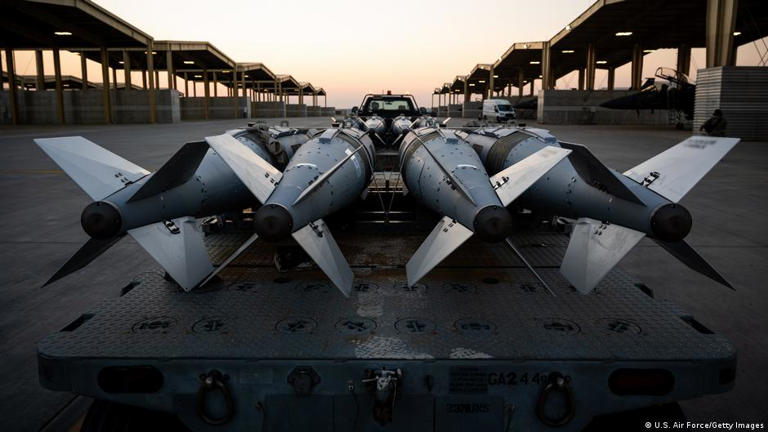
Один вопрос продолжает возникать после недавнего убийства двух американских солдат и гражданского переводчика в центральной Сирии сторонником экстремистской группы «Исламское государство».
Убийца проник в сирийские силы безопасности. Сколько ещё в сирийских силах безопасности могут придерживаться подобных крайних взглядов?
Атака «выявляет пробелы в разведывательных возможностях сирийского правительства, известную уязвимость на фоне нехватки персонала и ресурсов, а также географическую нестабильность страны», — написал вскоре после этого сирийский исследователь и журналист Субхи Франджие для лондонского СМИ Al Majalla.
«Атака в Пальмире может быть использована как доказательство того, что сирийское правительство скомпрометировано и ему нельзя доверять в ключевых сферах, таких как борьба с терроризмом.»
Франджие отмечает, что, хотя Сирия присоединилась к глобальной коалиции под руководством США, борющейся с «Исламским государством» в ноябре, международная коалиция пока сотрудничает только с Министерством внутренних дел Сирии, а не с местным Министерством обороны. Последнее считается ещё не полностью устоявшимся и надёжным.
Менее чем через неделю после убийств американцев в Пальмире группа «ИГ» опубликовала сообщение в своём канале в Telegram, в котором эти смерти назвали «ударом» по США и всем сирийцам, выступающим против них. Однако она не взяла на себя прямую ответственность, и, похоже, — подобно двум мужчинам, недавно нацелившимся на еврейское собрание в Австралии — нападение могло быть «вдохновлено» экстремистской группировкой.
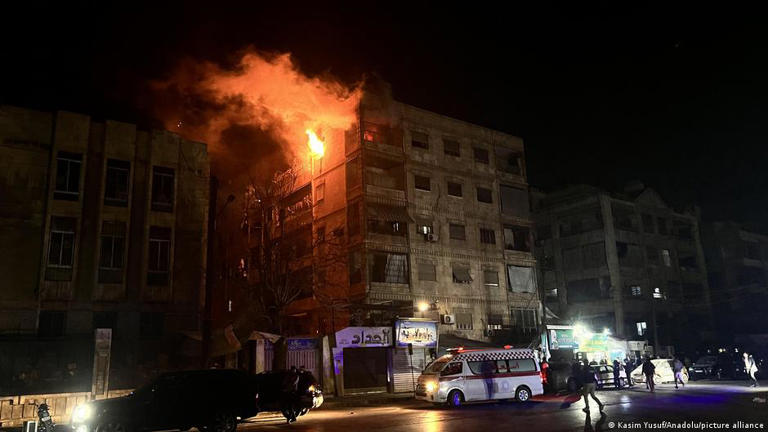
Солдаты, которые симпатизируют «ИГ»?
Experts agree that there could be more individuals in the Syrian security forces who sympathize with or are inspired by the "IS" group.
They say one of the main problems is that the Syrian government has been trying to establish a new military at speed following the ouster of the country's Bashar Assad dictatorship in December 2024.
Shortly after the Palmyra attack, a spokesperson for the Interior Ministry said that 5,000 new recruits were added to its forces in the area where the attack happened. When the "IS" group was at the height of its power, it controlled large swathes of Syria and Iraq, including Palmyra.
The spokesperson also said there were weekly evaluations of those personnel and that the "IS" supporter who killed the Americans and a Syrian officer had already been on a watchlist. He was to be dismissed the day after the attack.
The new Syrian authorities were forced to choose between recruiting more people fast or undertaking a slower, more intensive vetting process, Jerome Drevon, an expert on Islamist militancy the International Crisis Group, a think tank, explained last week. The authorities went for the faster option, but, as Drevon told UK-based publication The Arab Weekly, some of their recruits may be "more radical, willing to fight US troops, because they oppose the government's decision to reach out to Western countries."
Additionally, as Masood Al Hakari, a researcher at the Peace Research Institute Frankfurt, wrote earlier this year, Hayat Tahrir al-Sham, or HTS, the militia Syria's Interim President Ahmad al-Sharaa headed, was previously linked to both the "IS" group and al-Qaeda. Over time, HTS severed links with those groups and even fought "IS" in the territory it controlled, but, as Al Hakari says, HTS likely "still harbors extremists with sympathies for 'IS' ideology."
«ИГ» прячется в сирийской пустыне
There are estimated to still be around 2,500 "IS" fighters in Iraq and Syria, mostly in hiding or in sleeper cells. Because of the difficulty of ensuring security, the remote Syrian desert has long been a favored location for them.
Over the weekend, the US conducted over 70 strikes in Syria, mostly on remote areas north of Palmyra. The US raids were a "very serious retaliation" for the Palmyra attack, US President Donald Trump said. Reports say five people were killed as result.
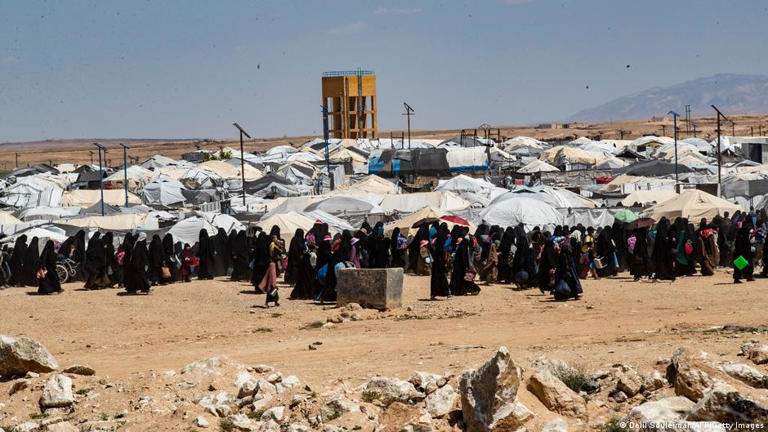
There are thousands of former "IS" members in prison camps in northern Syria who pose a danger, PRIF's Al Hakari explains. But the most significant factor that makes the "IS" group such a threat is the economic, political and security environment in the country, he and other experts say.
The Syrian dictatorship was toppled after 14 years of civil war, and the new Syrian authorities don't yet have complete control of security in the country. In some areas, there's been fighting between the new authorities and minority communities, which has added to the security issues. The very difficult economic environment also creates discontent.
All these "create fertile ground for 'IS' to exploit governance voids and public unrest, positioning itself as an alternative form of governance and expanding its influence," notes Al Hakari.
"IS" attacks on government areas have increased since the change of government, and other experts note that the group's followers now seem to want to deliberately undermine the new authorities.
For example, Syrian security forces say that in late November, they found an "IS" cell in Latakia. Latakia is actually populated mainly by the Alawite minority, a group "IS" followers might usually classify as infidels. The Alawites are perceived as linked to the former dictatorship because the Assad family was also Alawite and has been targeted as a result of that. Alawite neighborhoods remain volatile and ripe for unrest.
Over the past weekend, two gunmen randomly fired at people on a street in a fairly remote village in central Syria, near Salamiyah city. The area is home mainly to another minority, the Ismailis, and although nobody knows who was responsible, Salamiyah's mayor said he thought the "IS" group could have done it
However, it will take time to extinguish the threat posed by the "IS" group in Syria altogether, if indeed it is possible to wipe out the extremist ideology at all.
"The threat posed by 'IS' militants in Syria is more severe than in any other country in the region," Al Hakari says.
Author: Cathrin Schaer