






|
Индия запрещает «наркотические» онлайн-игры на реальные деньги, чтобы остановить кризис: «семьи рушатся»
|
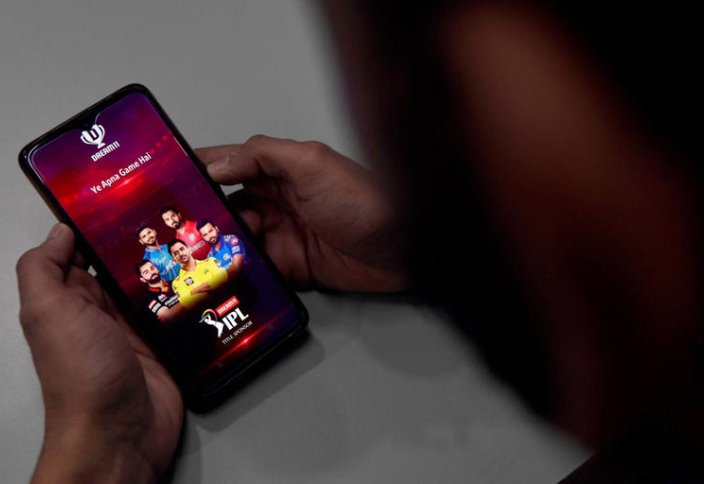
Индийская индустрия онлайн-игр пошатнулась от запрета, призванного обуздать зависимость и самоубийства. Критики предупреждают, что это может загнать азартные игры в подполье
По всей Индии в любой вечер светящиеся экраны телефонов вспыхивают игровыми приложениями, обещающими мгновенное богатство.
Но эти обещания для слишком многих закончились долгами, отчаянием и даже самоубийством, что вынудило правительство запретить игровые приложения на реальные деньги в попытке остановить кризис, который чиновники описывают как «распространяющийся как наркотики в обществе».
20 августа парламент Индии принял законопроект о продвижении и регулировании онлайн-игр, радикальный законодательный акт, запрещающий онлайн-игры на реальные деньги. Хостинг или предоставление таких услуг теперь влечет за собой наказание в виде лишения свободы на срок до трех лет и штрафа в размере до 10 миллионов рупий (114 000 долларов США).
Сами пользователи не будут рассматриваться как преступники, но предприятия, стоящие за платформами, и финансовые посредники, которые способствуют ставкам, будут рассматриваться.
Люди теряют деньги, семьи распадаются
Официальные лица говорят, что это решение отражает масштаб ущерба.
«Люди теряют деньги, семьи разоряются, так много людей совершают самоубийства», — сказал Business Today Ашвани Вайшнау, министр электроники и информационных технологий Индии. «И то, как он распространяется, затрагивает около 450 миллионов человек».
По его словам, правительство годами пыталось ввести «более мягкие правила», «но проблему решить не удалось».
Онлайн-игры на деньги, добавил Вайшнау, «почти распространились в обществе, как наркотики... Именно поэтому было очень важно принять очень строгие меры».
В заявлении правительства новый закон охарактеризован как гарантия против «хищнических игровых платформ, которые процветают на вводящих в заблуждение обещаниях быстрого обогащения», отметив, что Всемирная организация здравоохранения уже признала «игровое расстройство» подлинным состоянием.
Негативная реакция отрасли
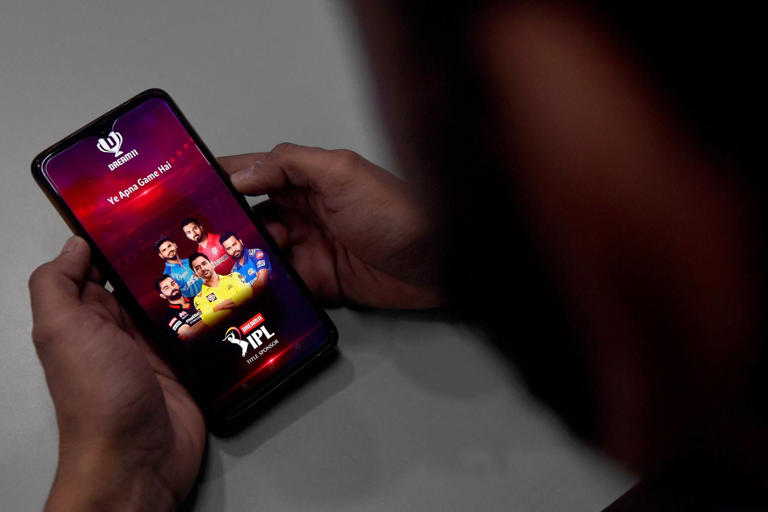
The move has triggered alarm across India's US$3.7 billion online gaming sector. Giants such as Dream11 - sponsor of the national cricket team - are expected to be hit hard alongside hundreds of smaller companies.
Industry federations, including the All India Gaming Federation, the E-Gaming Federation and the Federation of Indian Fantasy Sports, have warned that a blanket ban could wipe out thousands of jobs and stall a market once forecast to double in size by 2029.
Some legal experts argue that a licensing regime, with mandatory spending caps and strict compliance checks, might have been more effective than prohibition.
"While a blanket ban may discourage casual users and potentially reduce channels for money laundering, experience shows such prohibitions often drive activity to unregulated or offshore platforms, making enforcement harder," said Siddharth Mahajan, a partner at Athena Legal in New Delhi.
Others have suggested the government already had sufficient laws to regulate the sector, but enforcement never kept pace with its rapid growth.
"Banning real money gambling is really an indication that the industry grew too fast, too quickly for Indian regulatory authorities to adequately enforce existing laws," said Russell A. Stamets, a partner at the Delhi-based law firm Circle of Counsels.
India's judiciary has previously drawn a distinction between games of chance, which constitute gambling, and games of skill, which enjoy constitutional protections. The scope of those definitions can be quite wide.
"Historically, the Indian judiciary has drawn a clear distinction," said Vaibhav Kakkar, a senior partner at the law firm Saraf and Partners. "Games like rummy and horse racing, which involve substantial skill, do not constitute gambling - even when played for money."
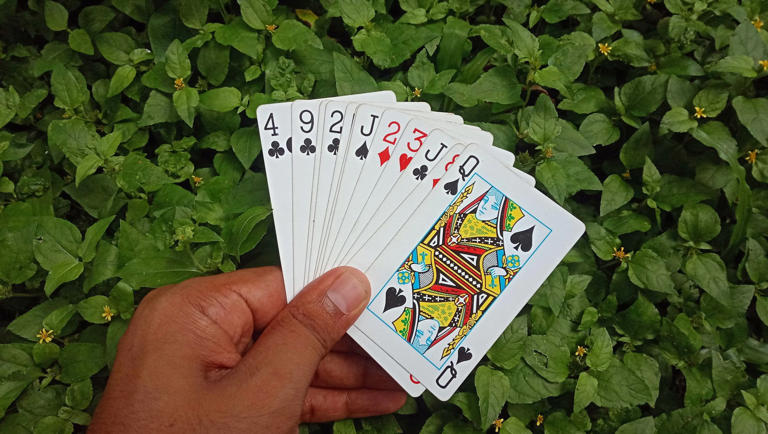
There are also constitutional questions to answer. Lawyers have argued that betting and gambling fall under the jurisdiction of state legislatures according to India's constitution, raising concerns about federal overreach. While states such as Karnataka and Tamil Nadu have supported the new law, legal experts say challenges are inevitable.
On Friday, Reuters reported that gaming company A23, which offers rummy and poker games, had filed a challenge at the High Court of Karnataka saying the new law "criminalises the legitimate business of playing online games of skill".
Snigdhaneel Satpathy, a partner at the law firm Saraf and Partners, said that "the prohibition may lead to an immediate reduction of any potential money laundering" but its enforcement "will be challenging, especially against offshore platforms".
The key to tackling such challenges would be international cooperation and the use of digital forensics, he added.
«Выбор очевиден»
Vaishnaw, the cabinet minister, said the government had little alternative. For more than three years, regulators tried softer measures, but the crisis deepened.
"The choice is between saving the middle class, the young people vs the revenue," he said. "And the choice is very clear, we have to save the middle class."
The new law exempts non-monetary esports such as chess or sudoku, which officials describe as beneficial. India's government already actively blocks offshore servers found to be hosting online betting sites.
Parliament's approval of the ban looks to have set the law on a collision course with the courts, states and India's own booming tech industry.
In the meantime, whether it brings relief to the families affected or drives gambling further underground remains to be seen.
But in a nation where smartphones have become ubiquitous and online gaming has blurred the line between entertainment and addiction, India's gamble on prohibition may prove to be one of its most consequential regulatory experiments yet.
If you have suicidal thoughts or know someone who is experiencing them, help is available. In Hong Kong, you can dial 18111 for the government-run Mental Health Support Hotline. You can also call +852 2896 0000 for The Samaritans or +852 2382 0000 for Suicide Prevention Services. In the US, call or text 988 or chat at 988lifeline.org for the 988 Suicide & Crisis Lifeline. For a list of other nations' helplines, see this page.