






|
Борьба за ресурсы Судана разжигает жестокую гражданскую войну
|
За гражданской войной, разрывавшей Судан более чем на два года, лежат природные богатства страны, где иностранные державы борются за контроль над золотом, плодородными сельскохозяйственными землями и побережьем.
Конфликт между регулярной армией и парамилитарными силами быстрой поддержки (RSF), бушующий с апреля 2023 года, обострился в последние недели после захвата RSF крупного города Эль-Фашер в Дарфуре в конце октября.
Армия поддерживается Египтом, Саудовской Аравией, Ираном и Турцией, в то время как RSF опирается на покровительство Объединённых Арабских Эмиратов (ОАЭ), согласно региональным экспертам.
Официально все стороны отрицают прямую поддержку любой из сторон в конфликте, который унес жизни десятков тысяч человек, вынудил покинуть дома почти 12 миллионов и спровоцировал один из крупнейших гуманитарных кризисов в мире.
Сельскохозяйственные угодья, торговый коридор
Обширные плодородные сельскохозяйственные земли в Судане, третьей по величине стране Африки и потенциальной сельскохозяйственной житнице, разожгли аппетит пустынных стран Персидского залива за Красным морем.
До войны ОАЭ вкладывали огромные средства в Судан, при этом эмиратские предприятия контролировали десятки тысяч гектаров земли и сельскохозяйственной продукции, составлявших значительную часть довоенного экспорта Судана в страну.
До переворота 2019 года, который сверг президента Омара эль-Башира, саудовцы и катарцы также вели переговоры о некоторых масштабных инвестициях в сельское хозяйство в Судане.
В то же время, «с побережьем Судана вдоль Красного моря, соединяющим Средиземное с Индийским океаном, существует перспектива повлиять на глобальный морской трафик, безопасность и торговлю через (его) порты и военно-морские базы», — сказала исследовательница Атлантического совета Алия Брахими.
The Gulf states are far from the only powers with an interest in the strategic corridor, through which around 10 to 12 percent of goods shipped worldwide flows.
Besides the UAE, Russia and Turkey have also attempted to either secure port concessions or obtain a naval base in Sudan -- though those negotiations have either failed or been put on ice.
ОАЭ и его друзья
Soon after the conflict broke out, the army-backed government broke off relations with the UAE, accusing the Emiratis of siding with the RSF.
The army insists that the UAE has sent weapons to the paramilitaries and hired mercenaries sent via Chad, Libya, Kenya or Somalia to fight alongside them -- claims denied by Abu Dhabi.
In May, Amnesty International published an investigation into photos of bomb debris it said showed the UAE had supplied RSF with Chinese weapons.
From the war's outbreak, Amdjarass airport in eastern Chad has played a key role in keeping the RSF well-stocked, acting as a hub for cargo planes from the UAE flying over the border to the paramilitaries' fiefdom in the Darfur region, according to UN reports.
More recently, separatist-controlled eastern Libya has supplanted Chad as the main Emirati supply route towards Sudan, said Emadeddin Badi, a researcher at the Global Initiative Against Transnational Organized Crime.
The region's leader is Libyan military commander Khalifa Haftar, whose administration in Benghazi rivals the UN-recognised government in the north and has enjoyed UAE patronage since 2014.
Since June, "you have... well north of 200 military cargo flights that landed in eastern Libya between Benghazi and Kufra directly and presumably delivered weapons to the RSF," said Badi.
A report by US-based watchdog The Sentry found that Haftar has "been a key fuel supplier to the RSF" throughout the war, because of his "deep loyalty to the Emirati government". Those continuous supplies had allowed the RSF to move and conduct operations in Darfur, it said.
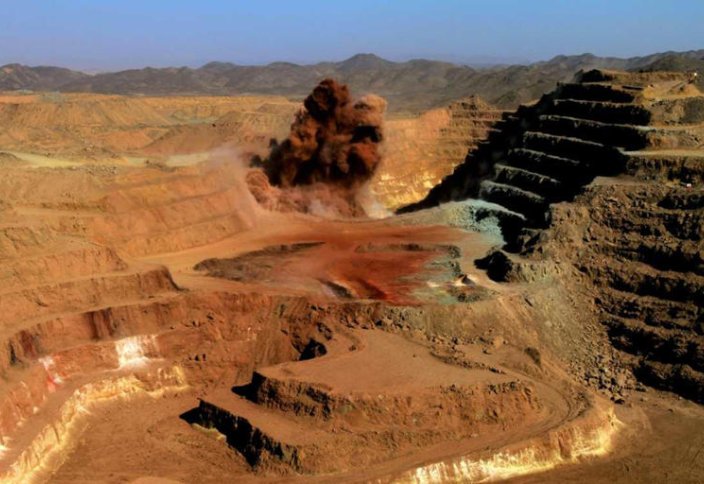
Жажда золота
After the 2011 independence of South Sudan, home to pre-breakaway Sudan's largest oil fields, gold became central to Sudan's exports.
According to the central bank, Sudan produced just over 80 tonnes of gold per year before the war's outbreak, exporting $2.85 billion worth of the precious metal in 2021.
But official gold production plummeted after the fighting broke out, with underground mining and trafficking networks taking over, according to a recent Chatham House study.
"Economic competition between the (Sudanese army) and the RSF in gold mining and trade was also a leading driver of the current war," the research institute said.
Whether it comes from the regular Sudan army via Egypt or from the RSF via Chad, South Sudan or Libya and other African countries, much of the gold will then end up in Dubai.
According to the Swiss NGO Swissaid, which accuses the UAE of being "a global hub for gold of dubious origin", the Gulf state imported 70 percent more gold from Sudan in 2024 -- on top of the many tonnes purchased from neighbouring countries.
"Not only does gold bankroll fighter loyalty, the smuggling of missiles or the purchase of drones, it gives multiple stakeholders a clear economic interest in the continuation of the conflict," said Brahimi, the Atlantic Council researcher.
Помощь дронам
Along with Iran, Turkey has supplied the Sudanese army with long-range drones, which "made a big difference" in the recapture of the capital Khartoum from the RSF in March, according to Badi.
But those drones, intended to either spy on or bomb the targets, have become less effective in recent months as the RSF beefed up its air defences, which is "part of the reason why they lost El-Fasher as well", he added.
In turn, the army-backed government has accused the UAE of sending drones, notably Chinese-made ones, to the RSF.
On top of this, "the RSF has from the start of the conflict, recruited a contingent of foreign mercenaries," said Thierry Vircoulon, an associate researcher at the French Institute of International Relations.
Russians, Syrians, Colombians and people from the Sahel countries are among the guns for hire on the RSF's payroll, Vircoulon added.