


|
Афганистан столкнулся с «тройным» возвращенцем, климатическим кризисом и сокращением помощи, заявил глава миссии МОМ
|
Радикальное сокращение иностранной помощи влияет на способность ООН оказывать поддержку сотням тысяч уязвимых афганцев, возвращающихся в свою страну, а гуманитарная помощь также перегружена после серии смертоносных землетрясений, сообщил Euronews глава миссии Международной организации по миграции (МОМ) в Афганистане.
Только в этом году около 2 миллионов афганских граждан вернулись из соседних Ирана и Пакистана, большинство из них из Ирана, причем до 40 000 человек ежедневно пересекали границу на пике кризиса в июле.
В то время как некоторые репатрианты возвращаются добровольно, многие из них подвергаются принудительной высылке.
В последнее время Пакистан ускорил депортацию в рамках так называемого Плана репатриации нелегальных иностранцев, и недавно нацелился на то, чтобы афганские граждане, имеющие регистрационные карточки УВКБ ООН (PoR), покинули страну до 1 сентября.
В последнее время также наблюдается масса афганцев, в том числе беженцев, принудительно возвращенных из Ирана, с всплеском депортаций после двенадцатидневной войны между Ираном и Израилем.
Тегеран сослался на проблемы национальной безопасности и выдвинул широко распространенные обвинения в связи афганцев в Иране с израильскими спецслужбами, чтобы оправдать свои репрессии.
Многие репатрианты прибывают обездоленными и отчаянно нуждаются в жилье, экономической помощи и помощи для восстановления своей жизни.
«Они возвращаются в своего рода новую страну. Они не понимают, как ориентироваться в системе или каковы условия», — сказал Михён Пак, глава миссии МОМ в Афганистане.
«Многие из этих людей не имеют документов, и даже при наличии документов на границе их часто конфискуют».
Пак объясняет, что у репатриантов есть множество основных потребностей, включая наличные деньги, жилье и доступ к экономическим возможностям.
«Многие люди на самом деле хотят остаться. Они хотят поселиться в стране и посмотреть, как они смогут с этим справиться», — говорит она. «Но через некоторое время они сталкиваются с отсутствием возможностей для получения средств к существованию, и у них нет домов».
Сокращение помощи означает, что большинство репатриантов не могут получить помощь
Western governments’ broad cuts to humanitarian and development aid, most notably US President Donald Trump’s decision to freeze his administration’s foreign aid in February, are denting aid operations across the world, with the impact particularly felt in Afghanistan.
An estimated $1.7 billion (€1.5 billion) in US aid to Afghanistan has been stripped away this year, forcing an estimated 50 international aid organisations or agencies to partly or wholly suspend operations.
The UN has previously warned that cutting the funding could be a ‘death sentence’ for millions of people.
“It has really impacted our work – not just IOM, but all humanitarian agencies operating in the country – in quite a serious way,” Park told Euronews.
“We had to make quite difficult decisions to de-prioritise (...) and this is even before the earthquake and the large returns that we did not foresee from both Iran and Pakistan.”
The agency has established nine ”vulnerability criteria” to direct funding to those most in need, while also recognising that the majority of returning individuals are vulnerable and require assistance.
“When, in 2023, we had about a million people who returned from Pakistan, we were able to assist almost everyone with immediate assistance. Now, we can barely assist 20% to 30% of people who meet the vulnerability criteria,” she added.
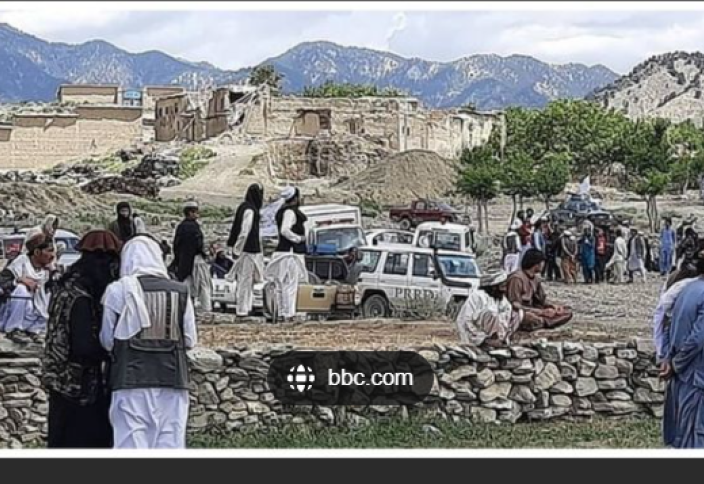
A series of recent earthquakes and consequent aftershocks that hit Afghanistan’s mountainous eastern border region, killing more than 2,200 people, have also compounded urgent needs, with the UN recently warning that some affected areas have not yet been reached.
The UN has issued an emergency appeal for nearly $140 million (€119 million) in funding to help almost half a million people affected.
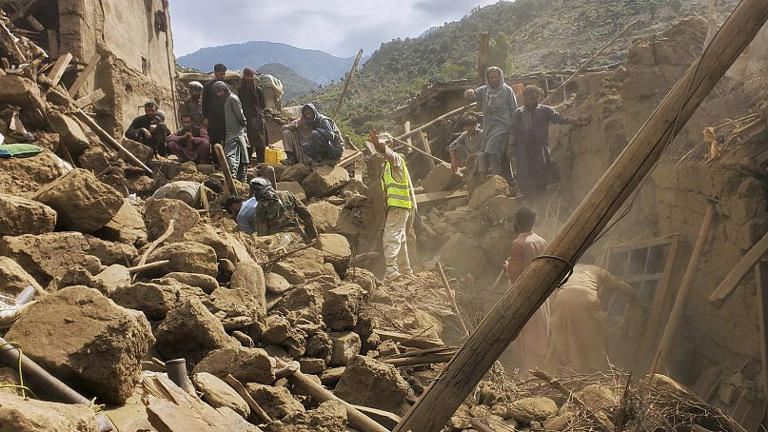
“We had to really squeeze before the earthquake (...) Now we have to squeeze again to provide assistance to the earthquake-affected zone. So we really, every day, we try to, we struggle to see how we can de-prioritise our priorities,” Park explained.
“Of course, that means the people who really need support will not be getting support.
Возвращающиеся женщины сталкиваются с огромными препятствиями
The UN is also warning that women returnees face rising risks, as Taliban restrictions on women's and girls’ rights intensify.
“These are big, huge challenges they face, especially for women, and especially women returning from Iran: they're quite educated and they're exposed to a more open society where they used to go to school, had jobs, and had a good university background," Park said.
"So when they return, they are anxious and uncertain about adapting to an Afghan society where you have no freedom for work, and education is a huge challenge.”
The IOM estimates that women make up just under one-third of returnees from Iran so far in 2025, and about half of all returnees from Pakistan.
On Thursday, the UN’s refugee agency said it was halting its assistance to returning Afghans after the Taliban prevented its Afghan female staff from working.
In a statement, the UN said that "de facto Afghan security forces prevented national female staff members and contractors of the United Nations from entering UN compounds in Kabul," adding that security officers were "visibly present" outside UN premises in Kabul, Herat and Mazar-i-Sharif.
The IOM said that while it had also been impacted, it maintained its "commitment to a principled response in the country", ensuring it continued to "support vulnerable Afghan women, men, boys and girls with humanitarian and resilience programming, delivered through (...) female and male personnel throughout the country."