




|
Почему Таиланд предоставляет беженцам из Мьянмы право на работу?
|
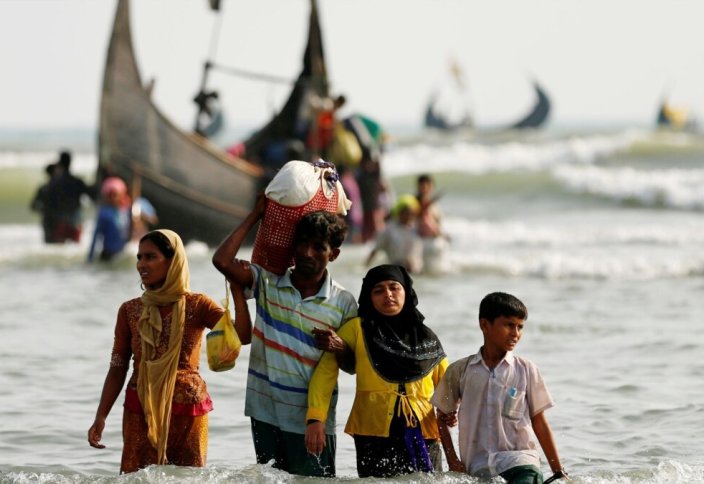
Правительство Таиланда отменило многолетний запрет на разрешение беженцам из Мьянмы работать. Агентства по оказанию помощи приветствуют этот шаг, который происходит на фоне сокращения помощи США и потенциальной нехватки дешевой рабочей силы.
Правительство Таиланда недавно сняло многолетний запрет на права на работу для долгосрочных беженцев из Мьянмы, которые живут в девяти лагерях прямо через границу в Таиланде, некоторые из которых восходят к 1980-м годам.
Этот шаг был предпринят в связи с тем, что Соединенные Штаты при президенте Дональде Трампе прекратили программы гуманитарной помощи по всему миру. США были крупнейшим спонсором продовольственной помощи для людей, живущих в лагерях.
Сокращение финансирования продовольственной помощи также усугубляется притоком новых беженцев, изгнанных из Мьянмы из-за бушующей гражданской войны. Ранее в этом году благотворительные организации, управляющие иностранной продовольственной помощью в лагерях, были вынуждены отменить выдачу пайков для большинства беженцев.
Надеясь компенсировать сокращение помощи США, базирующийся в Бангкоке Пограничный консорциум (TBC), под эгидой которого работают благотворительные организации в лагерях, в марте выпустил «призыв к экстренному финансированию» к донорам.
«Без немедленного финансирования они [беженцы] сталкиваются с опасной и опасной для жизни ситуацией», — говорилось в то время.
Дополнительная помощь так и не поступила, что побудило правительство Таиланда вмешаться и объявить о решении на прошлой неделе.
В связи с сокращением иностранной помощи «кабинет министров одобрил предоставление специального разрешения этой группе беженцев остаться и работать в стране, чтобы обеспечить себя и свои семьи», говорится в заявлении.
Агентство ООН по делам беженцев (УВКБ ООН) приветствовало этот шаг, добавив, что, хотя резолюция распространяется только на ограниченное число беженцев, она может установить «региональный ориентир» для «решения проблемы беженцев, основанного на правах человека». УВКБ ООН заявило, что будет выступать за расширение резолюции, чтобы она охватывала всех беженцев. Нынешняя резолюция распространяется примерно на 80 000 долгосрочных беженцев из Мьянмы.
Десятилетия жизни в полуразрушенных лагерях
For years, aid and advocacy groups had been urging the government to give refugees working rights, which would allow them more self-sufficiency and economic participation.
The camps started appearing along the Thai-Myanmar border in the 1980s. Decades on, most homes are still no more than huts built of bamboo, wood and thatch, with few having electricity or running water.
With limited education and work opportunities inside the camps — and barred from studying or, until now, working outside — most are forced to rely on foreign aid to keep from going hungry.
In a statement of her own last week, the UNHCR representative for Thailand, Tammi Sharpe, called the Thai government's policy shift a "turning point" that would both allow the refugees to support themselves and stimulate the local economy.
TBC executive director, Leon de Riedmatten, also praised the government's move to let the refugees live and work outside of the camps, calling it "a very positive decision."

"They understood that TBC has not managed to find any other donors to really replace the Americans. So, either the government [has to] provide them with the food assistance, or you have to find an alternative, and this was certainly the best and the most realistic one," he told DW.
A nutrition survey published by TBC earlier this year shows chronic malnutrition rates among children in the camps on the rise since 2022.
There is also a plan in the works to provide health care for the refugees.
"Allowing the refugees to work outside the camps is a landmark step, but approval of the Ministry of Public Health's plan, including health insurance, will be important to ensure sustained good health of this population," Darren Hertz, country director for the International Rescue Committee (IRC), told DW.
The IRC had been running several health clinics inside the camps until its own funding dried up under the Trump administration this year. It is in the process of handing those operations over to local state-run hospitals.
"The days of the camps being supported with foreign aid may well be gone," Hertz said, commending the Thai government for a "pragmatic" solution.
Камбоджийские рабочие покидают Таиланд из-за пограничной ссоры
De Riedmatten added that the government may also have been spurred by a sharp and sudden nosedive in Thailand's migrant labor force.
According to Thailand's Ministry of Labor, some 900,000 migrant workers from Cambodia have returned home since a deadly five-day border dispute in July.
While some non-government estimates put the figure at no more than 500,000, it's still a large slice of the 3.1 million registered migrants the government says were working in Thailand as of 2024.
Ruttiya Bhula-or, an associate professor and labor economist at Thailand's Chulalongkorn University, said the refugees in the border camps could help fill at least some of the gap the Cambodians have left in so-called "3D jobs," those considered dirty, difficult or dangerous.
"It will definitely help because most of them are willing to work in the 3D sectors, and they will help fill the labor shortages [to] a certain level. But the number is not high," she said.
Ruttiya added that the refugees have had relatively few opportunities to pick up useful work skills inside the camps, and may also be ill-suited for many of the jobs the Cambodians have left behind.
"The comparative advantage of the Cambodian workers are more likely to be fishing, construction. But the skills of the refugees might not really 100% fit to those," she said.
The refugees, she added, are more likely to fill farm and entry-level service jobs in kitchens, warehouses and hotels.
And by formalizing those of the refugees already working outside the camps illegally, she added, the planned work permits should help them to bargain for higher wages and take abusive employers to the authorities.
Беженцы из Мьянмы приветствуют эту возможность
Eh Khu Moo, 32, fled Myanmar for Thailand as a teenager in 2005. He told DW he studied English, computers and motorcycle repair in the camps, and hopes to land a job.
"I am very happy to be able to work outside of the camps," he said. "Working outside will be better for us to earn money and support our families."
Tun, a refugee and camp official in his 60s, told DW he has been flooded with questions from younger men and women like Eh Khu Moo keen on how to properly take up the new work rights.
Having spent most, or even all, of their lives confined to the camps, and still afraid of returning to their war-torn homes, the refugees now see a new lifeline.
"Because in the camp there is no future. They want freedom," he said.
Редактор: Уэсли Ран
Author: Zsombor Peter (in Bangkok)