







|
Аномальная жара угрожает мировым ценам на продовольствие, ввергая миллионы людей в нищету
|
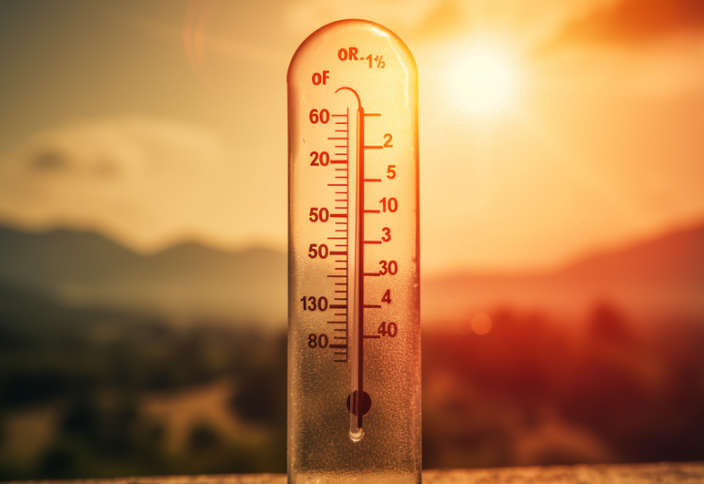
Этим летом (с июня по август) средняя температура в Южной Корее достигла 25,7 градусов по Цельсию, что стало самым жарким летом с 1973 года, когда была создана национальная сеть наблюдений за погодой. На фоне самой сильной жары за всю историю наблюдений цены на картофель выросли на 30% в течение года, и Банк Кореи также проанализировал, что рост цен на сельскохозяйственную, животноводческую и рыбную продукцию приведет к росту потребительских цен на 0,3 процентных пункта в третьем квартале (с июля по сентябрь) этого года.
Эксперты предупреждают, что подобные явления не ограничиваются Южной Кореей и не останутся временными. Стефан Аллегретт, ведущий экономист Всемирного банка по вопросам климата, недавно сказал в интервью WEEKLY BIZ: «Из-за изменения климата вероятность того, что в будущем несколько регионов мира будут затронуты одновременно, значительно возросла, что приведет к гораздо большим сбоям в ценах на продовольствие». Мы спросили Аллегретта, который курирует исследования Всемирного банка в области экономики климата, о потенциальном воздействии волн тепла и изменения климата на экономику и цены на продукты питания.
◇ Экономические последствия волн тепла
- Считаете ли вы, что волны тепла станут основным фактором роста мировых цен на продовольствие?
«Как правило, аномальные погодные условия оказывают лишь ограниченное влияние на колебания сельскохозяйственного производства в отдельных регионах. Однако, когда несколько основных производственных районов по всему миру одновременно испытывают волны тепла или засухи или когда одновременно происходят потрясения предложения, как это было в 2018 году, это влияет на цены на продовольствие. В дальнейшем из-за изменения климата вероятность одновременного воздействия нескольких регионов производства значительно возрастет, что приведет к более частому возникновению кризисов роста цен».
- How significant a threat does inflation caused by heatwaves pose to humanity?
“According to recent studies, 1.2 billion people worldwide are already highly exposed to climate risks. There are projections that up to 130 million people could fall into extreme poverty by 2030 due to decreased agricultural productivity and soaring prices. Urban poor populations, who spend 60-70% of their income on food, face fatal consequences even with a 10% price increase.”
- Are there regions more economically vulnerable to heatwaves?
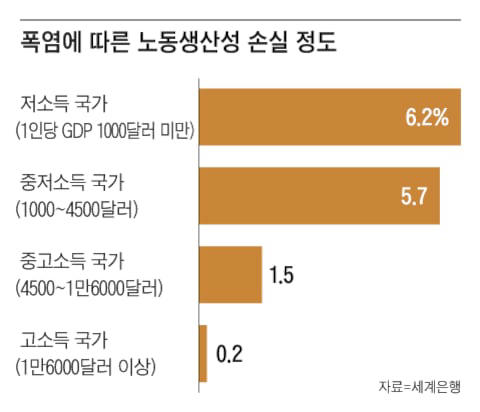
“In urban areas, high temperatures directly threaten increased mortality rates and reduced labor productivity. For instance, in Delhi’s slums, daily wage workers lose 10-20% of their daily income when temperatures rise by 1 degree Celsius. In rural areas, heatwaves directly harm labor productivity and livestock, leading to reduced agricultural output and income losses. These impacts vary by region. However, the damage tends to be more severe for the poor. According to a recent World Bank report, people in the poorest countries are expected to lose 6.2% of their productivity due to heatwaves, while high-income countries will experience only about a 0.2% impact.”
- Does this mean that advanced countries, including South Korea, have less need for climate mitigation measures?
“Not necessarily. Advanced countries have relatively fewer outdoor manual laborers, so heatwaves have a smaller impact on labor productivity. However, their infrastructure, such as energy and transportation systems, and their large elderly populations mean they are affected differently from low-income countries. Additionally, due to their aging populations, heatwaves can impose excessive costs on national healthcare systems, which are already strained by disasters.”
◇ Как смягчить волны тепла

- What are the methods to prevent climate change, including heatwaves?
“The top priority is to accelerate efforts to ‘decarbonize’ economic growth to slow the rapid and excessive rise in temperatures.”
- There are criticisms that the transition to decarbonization could instead drive up prices.
“World Bank research indicates that, in most countries, a path to reducing carbon emissions by 75% by 2050 would lead to faster economic growth than the current trajectory. As solar and wind energy adoption increases, electricity production costs will also decrease. Electric vehicles are expected to become cheaper than internal combustion engine vehicles soon, demonstrating the cost-saving potential of decarbonization. However, some industries, like steel, cement, and air transportation, face high costs and difficulties in decarbonization. In these sectors, short-term efforts to reduce carbon emissions could drive up prices. Fortunately, rapid technological advancements are expected to bring cost-effective alternatives to the market in time.”
- Even if carbon emissions are reduced, climate change trends won’t change immediately, right?
“Therefore, alongside decarbonization, ‘adaptation investments’ in agriculture are necessary to reduce the vulnerability of food production to climate change. Efforts and investments to adapt to climate change and enhance resilience are continuously increasing. While not ideal compared to solving the root problem by reducing carbon emissions, we must continue to expand proven measures for adapting to heatwaves and other impacts. For example, it is necessary to adjust crops according to climate change, invest in high-efficiency irrigation systems, and help farmers flexibly transition to more suitable crops and farming methods. As frequent poor harvests are likely in the future, we must always be prepared. At the national level, robust food reserves should be maintained to prepare for poor harvests. Cash support during emergencies can help people secure food on their own, supplemented by in-kind food assistance.”
※ Эта статья была переведена компанией Upstage Solar AI.